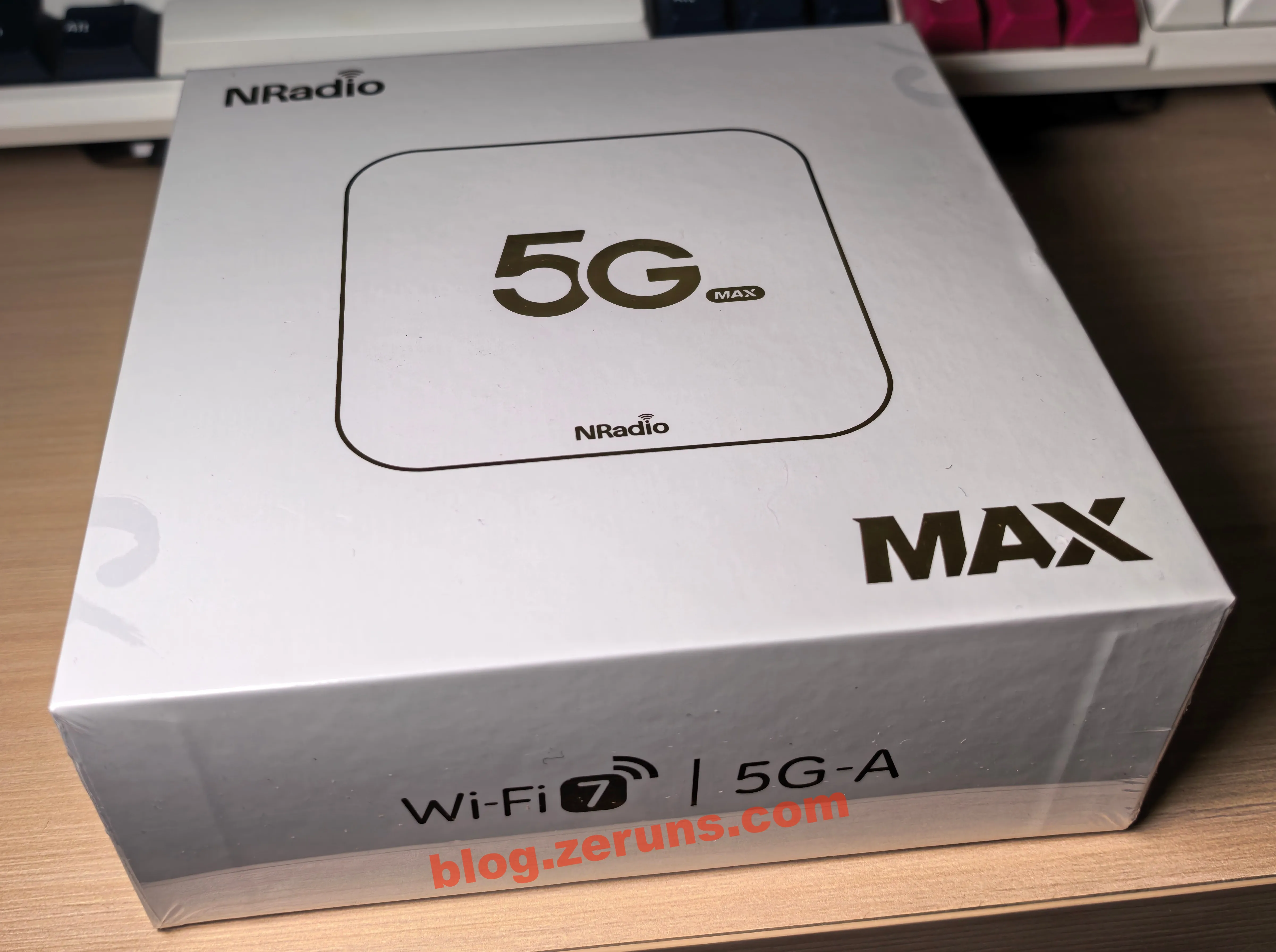
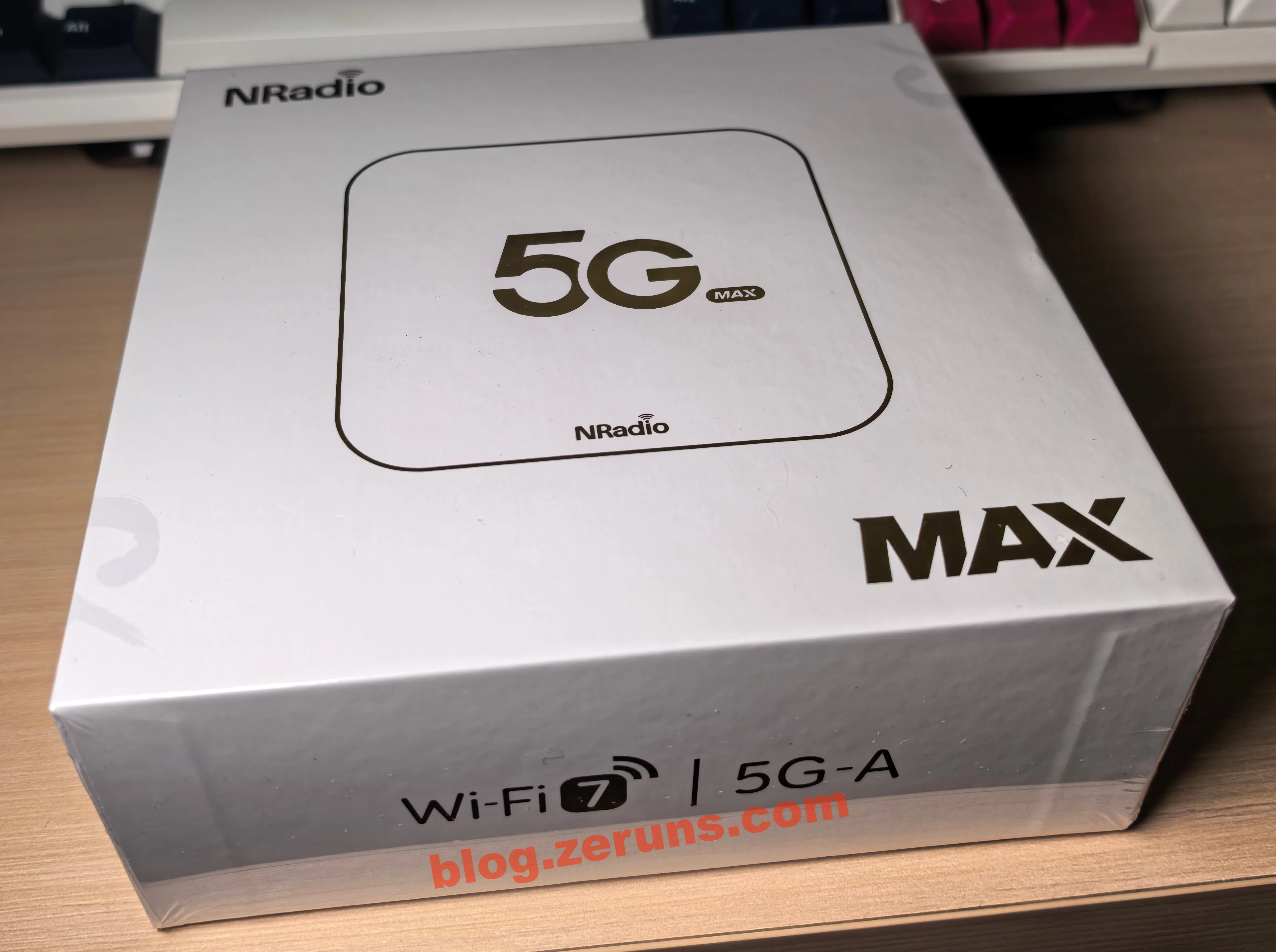
A quick unboxing and review of the NRadio C2000 MAX 5G CPE.
I bought this 5G CPE to replace my broadband. The current broadband in my rented apartment is 300Mbps for 100 RMB/month, which is a bit pricey. I bought a ZTE F40 portable WiFi a few days ago, but its performance wasn't quite enough for me, so I purchased this one.
Quick Unboxing & Review of ZTE F40 5G Portable WiFi: https://blog.zeruns.com/archives/936.html
Introduction
Product Overview
The NRadio C2000MAX is a 5G-A full-band Mini CPE router / portable WiFi device launched by NRadio in January 2026. Featuring a compact, all-aluminum alloy body, it focuses on high performance and multi-scenario adaptability. It provides a flexible networking solution with a built-in eSIM + dual nano-SIM card slots, supports WiFi 7 (BE3600) and a 2.5G Ethernet port, and is compatible with the OpenWRT system.
Features: Supports 3CC Carrier Aggregation (CA) and the N79 band.
Specifications
| Category | Parameter | Value |
|---|---|---|
| Cellular Specs | Module Model | MT5700M-CN |
| Applicable Region | Mainland China | |
| Module Platform | HiSilicon Balong | |
| 5G NR Bands | N1/N3/N5/N8/N28/N41/N78/N79 | |
| LTE Bands | B1/B3/B5/B8/B34/B38/B39/B40/B41 | |
| WCDMA Bands | B1/B8 | |
| 5G Max Rate | DL 4Gbps; UL 1.5Gbps | |
| LTE Max Rate | DL 900Mbps; UL 200Mbps | |
| WCDMA Max Rate | DL 42.2Mbps; UL 11 Mbps | |
| Wi-Fi Specs | Technical Standards | Wi-Fi 7 2.4GHz: IEEE 802.11b/a/x/n/g 5GHz: IEEE 802.11be/a/x/n/ac |
| Wi-Fi Rate | BE3600 2.4GHz: 688Mbps 5GHz: 2882Mbps | |
| Bandwidth | 2.4GHz: 20/40 MHz 5GHz: 20/40/80/160 MHz | |
| Max Connections | 256 | |
| Wi-Fi MIMO | 2.4GHz: 2T2R (2SS) 5GHz: 2T3R (2SS) | |
| Environmental | Operating Temp | 0 - 40℃ |
| Storage Temp | -40 - 70℃ | |
| Operating Humidity | 10% - 90% Non-condensing | |
| Dimensions | Dimensions | 120 (L) x 120 (W) x 22 (H) mm |
| Color | White | |
| Weight | 222g | |
| Indicators | Power Indicator | Green/Red dual-color LED power indicator |
| Signal Indicator | Blue/Green/Red tri-color LED signal indicator | |
| Basic Hardware | RAM / Flash | 512MB / 32MB |
| Interfaces | 1x 2.5G WAN/LAN Port,1x Type-C Port (Supports PD),1x Reset Button,1x Dual-band nano-SIM slot,1x External TF card slot | |
| Wi-Fi Antennas | Built-in 5 professional Wi-Fi antennasBuilt-in 4 5G high-gain antennas | |
| Power Supply | Supports PD fast charging adapters | |
| Standby Power | 4.6W | |
| Typical Power | 8.6W | |
| Software Specs | OS | NROS+OpenWrt OS |
| Wi-Fi | Dual-band integration,Wireless terminal isolation,RF parameter settings,Wireless black/white lists,SSID hiding,Guest network | |
| Network Features | DHCP,Network Diagnostics (Ping/Traceroute/Nslookup),Connection Detection,DMZ/UPnP,Port Mapping,Firewall,IPv6 Settings,LAN Settings,Access Contro,lVPDN/PPTP/L2TPSIM Card Management,Terminal Rate Limiting/Shunting Config,TTL | |
| Cellular Features | SIM Switching (Auto/Manual),Data Monitoring,Network Mode Settings,Band Locking/Cell Locking,Data Roaming/SMS/Custom APNBase Station Drop PreventionPeak GuaranteeCellular Module Upgrade | |
| System Features | Account ManagementImmediate/Scheduled RebootBackup/UpgradeApp StoreBoot Settings/Cloud Management/Lighting ControlSystem Logs | |
| Certifications | Certifications | 3C, SRRC, CTA |
Where to Buy
- JD.com: https://u.jd.com/jgp447a
- Taobao: https://s.click.taobao.com/bQDKdPm
Unboxing
Front of the box
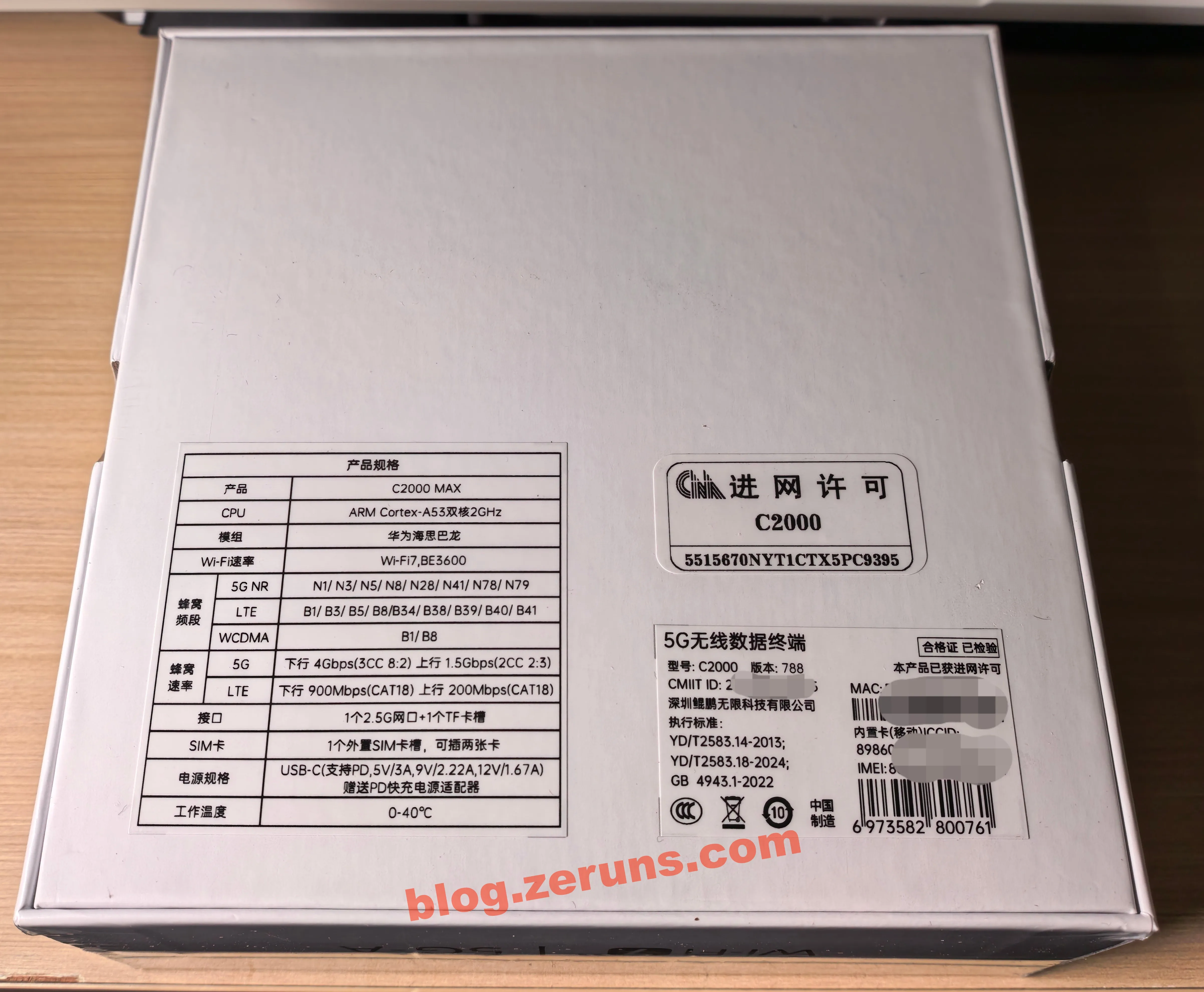
Bottom of the box, printed with device specifications and the network access license.
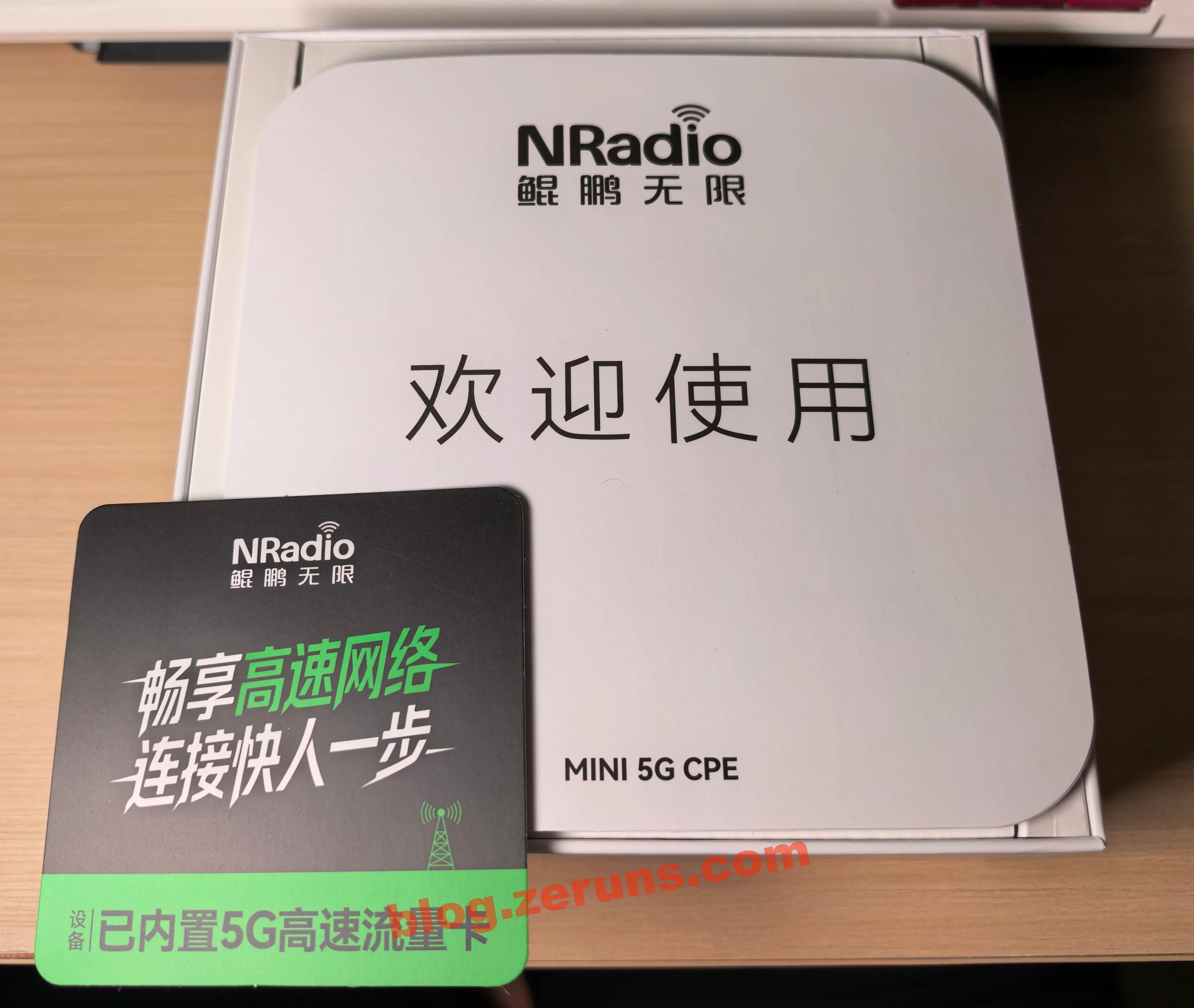
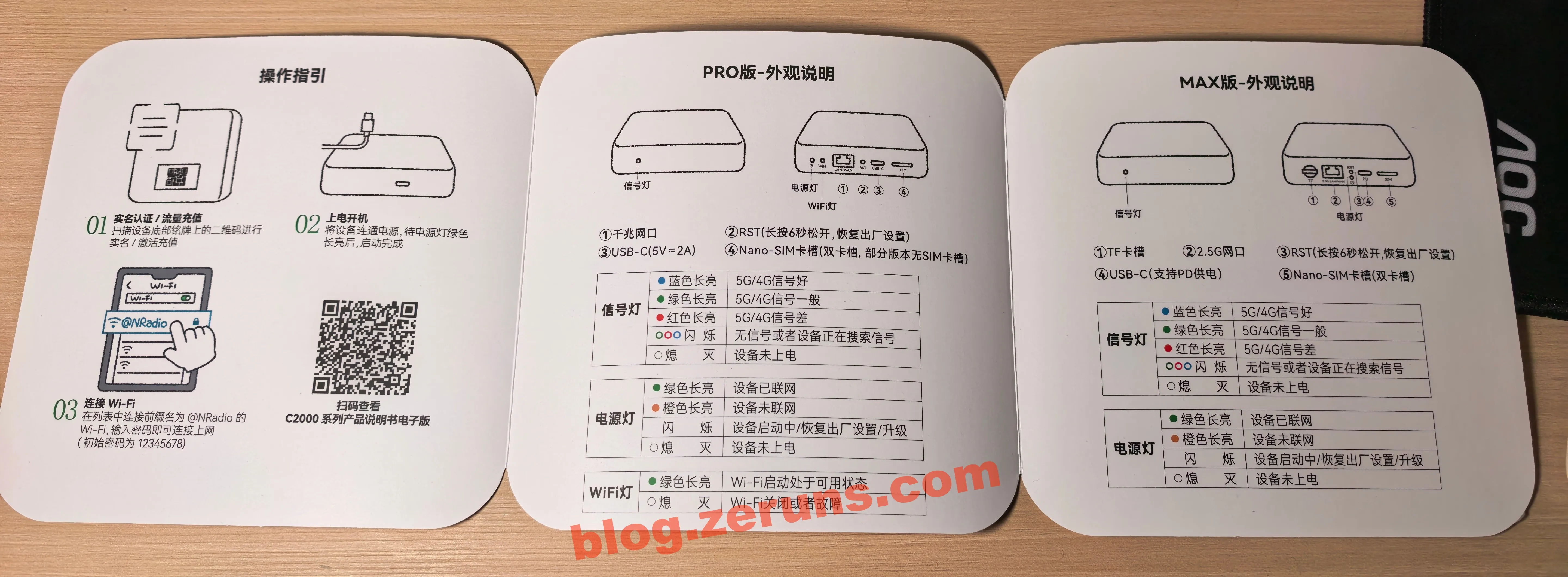
Opening the box, the first things you see are a user manual and a card indicating the built-in 5G high-speed data card.
User Manual
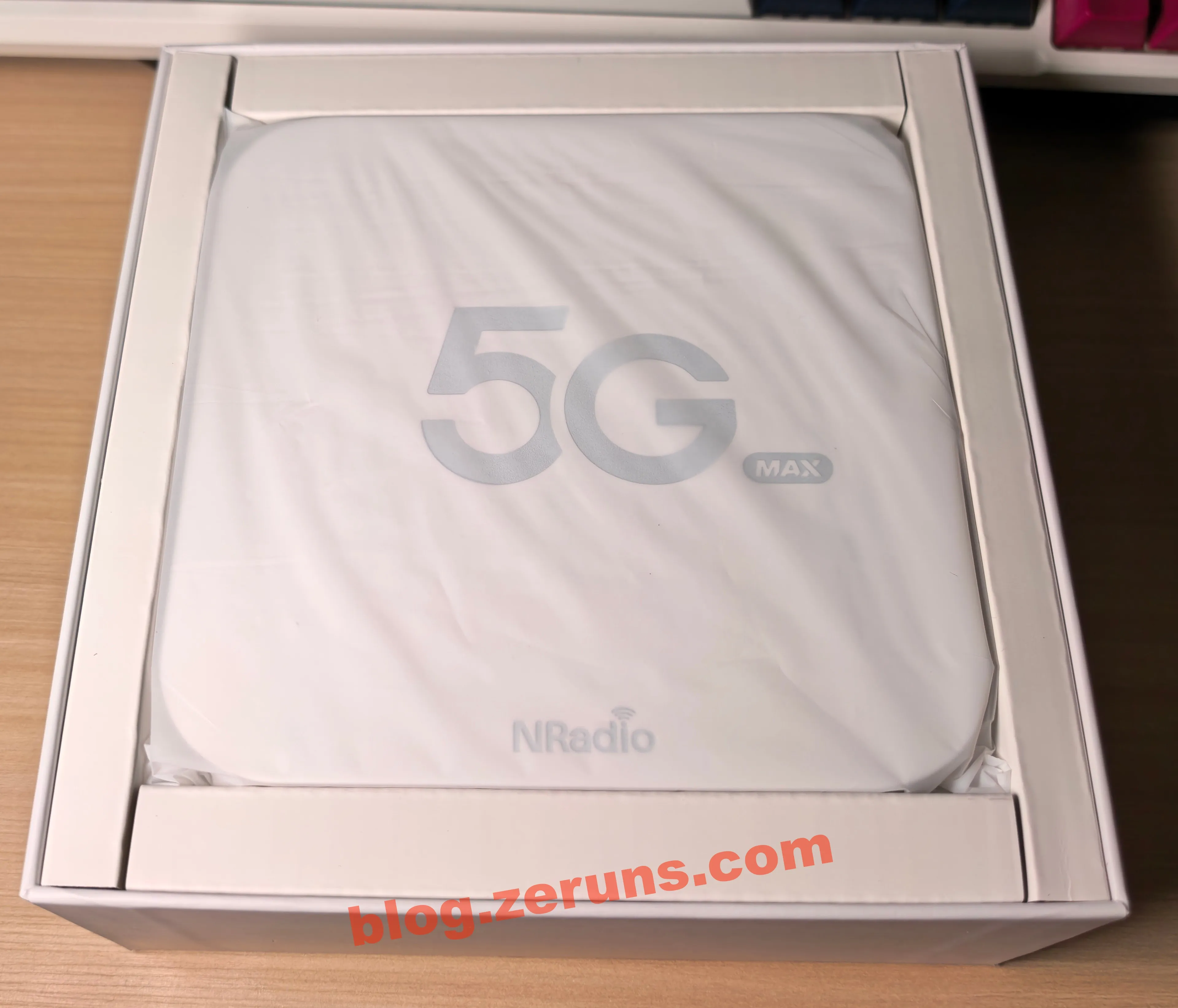
Removing the manual reveals the NRadio C2000MAX underneath.
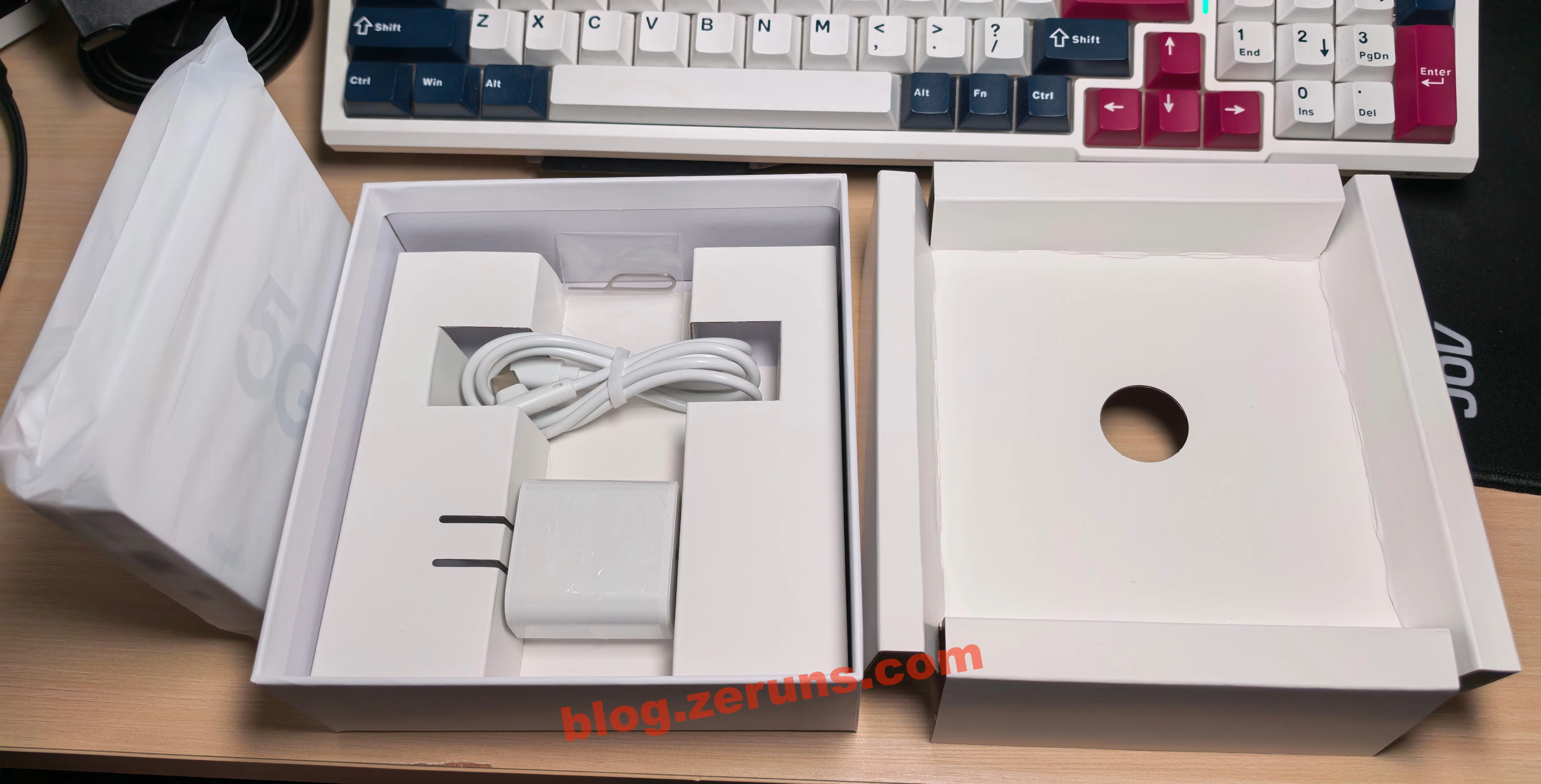
Below that are the power adapter and power cable.
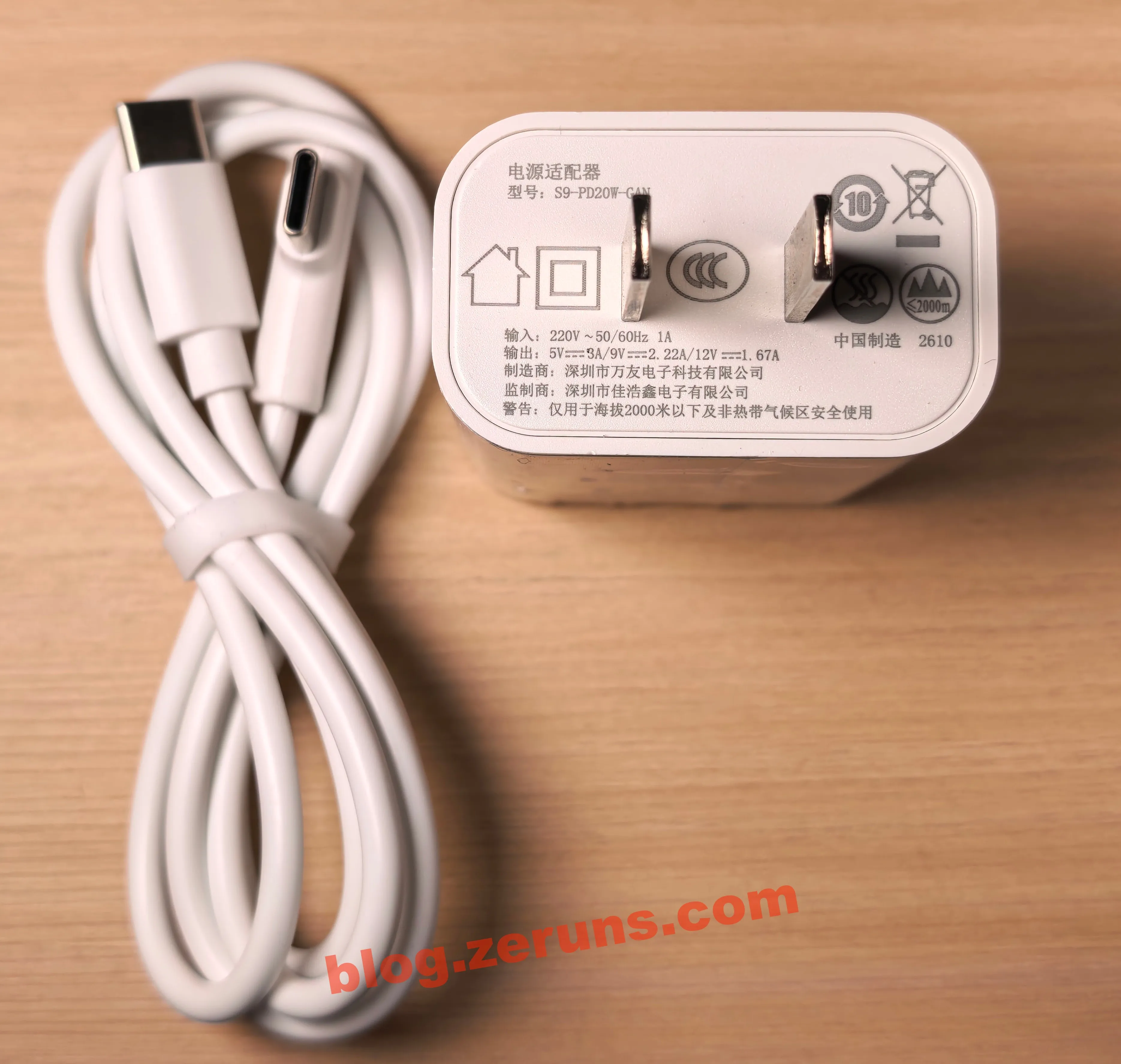
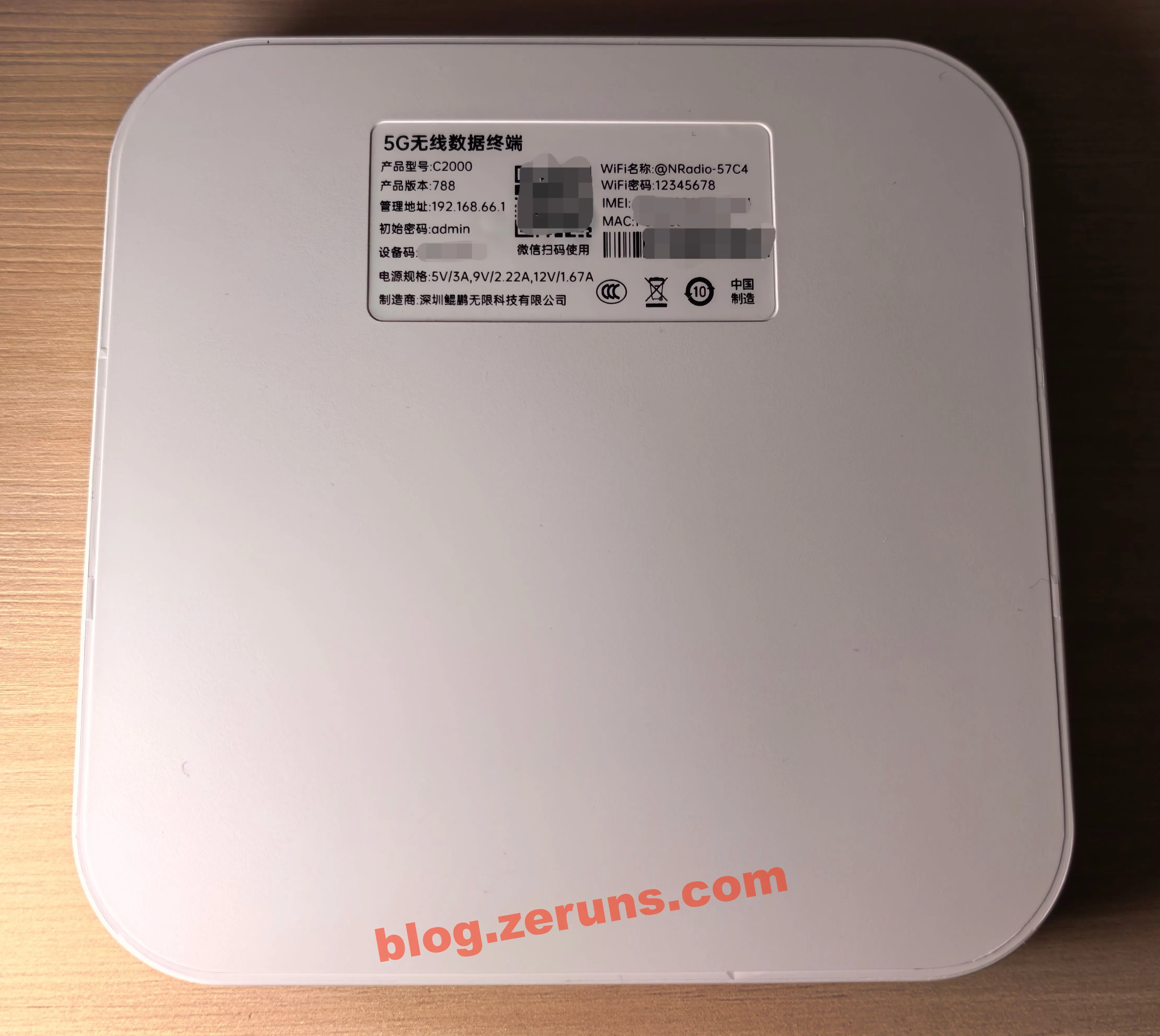
The power cable is a dual Type-C male to male, with one end being an L-shaped right-angle plug. The power adapter model is S9-PD20W-GAN, manufactured by Shenzhen Wanyou Electronic Technology Co., Ltd., and supervised by Shenzhen Jiahaoxin Electronics Co., Ltd. It has an input of 220VAC, and an output of 5V/3A, 9V/2.22A, 12V/1.67A. Judging from the model, it appears to be a GaN (Gallium Nitride) charger, supporting the PD protocol with a maximum output power of 20W.
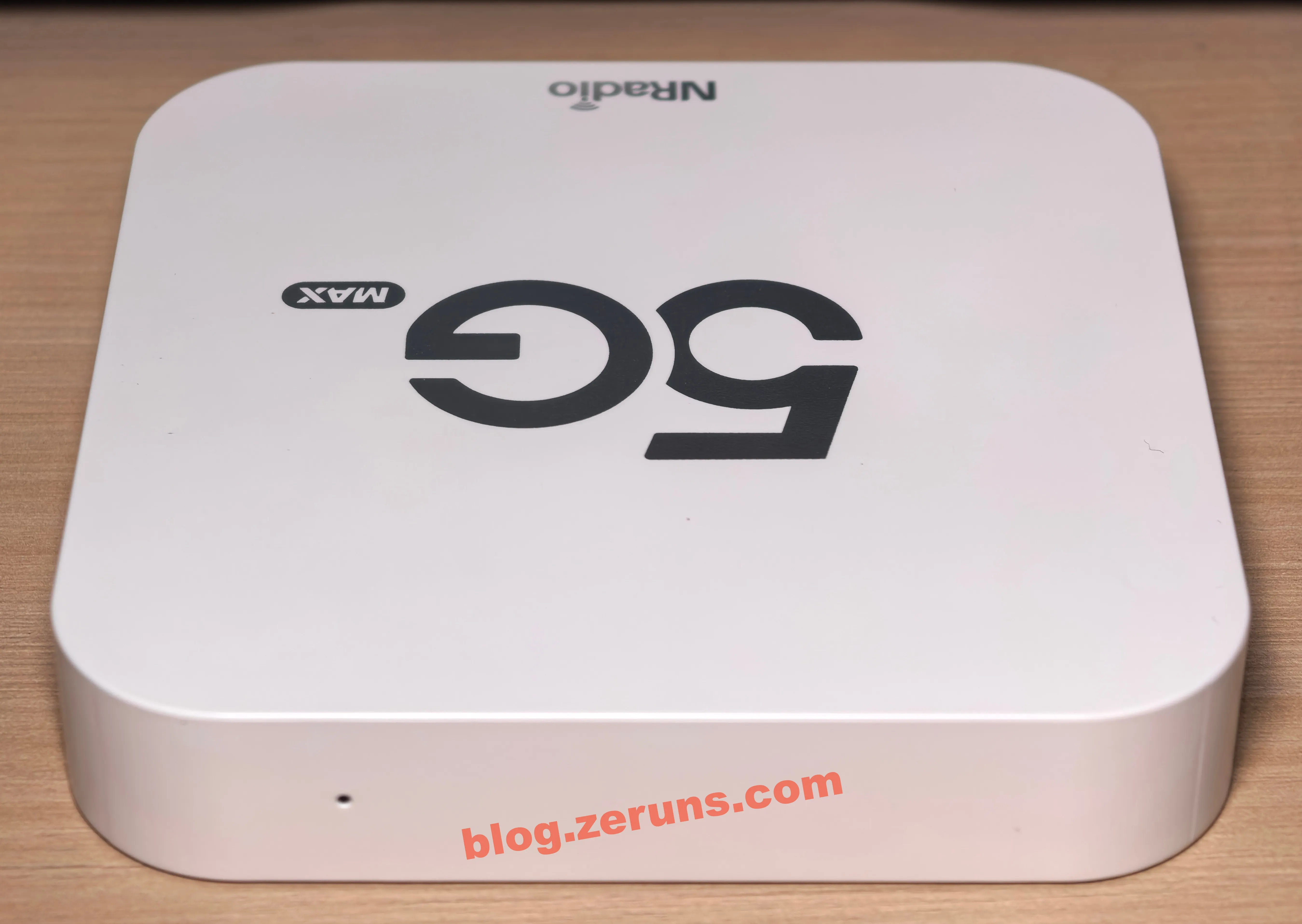
Front of the C2000MAX, featuring a signal status indicator.
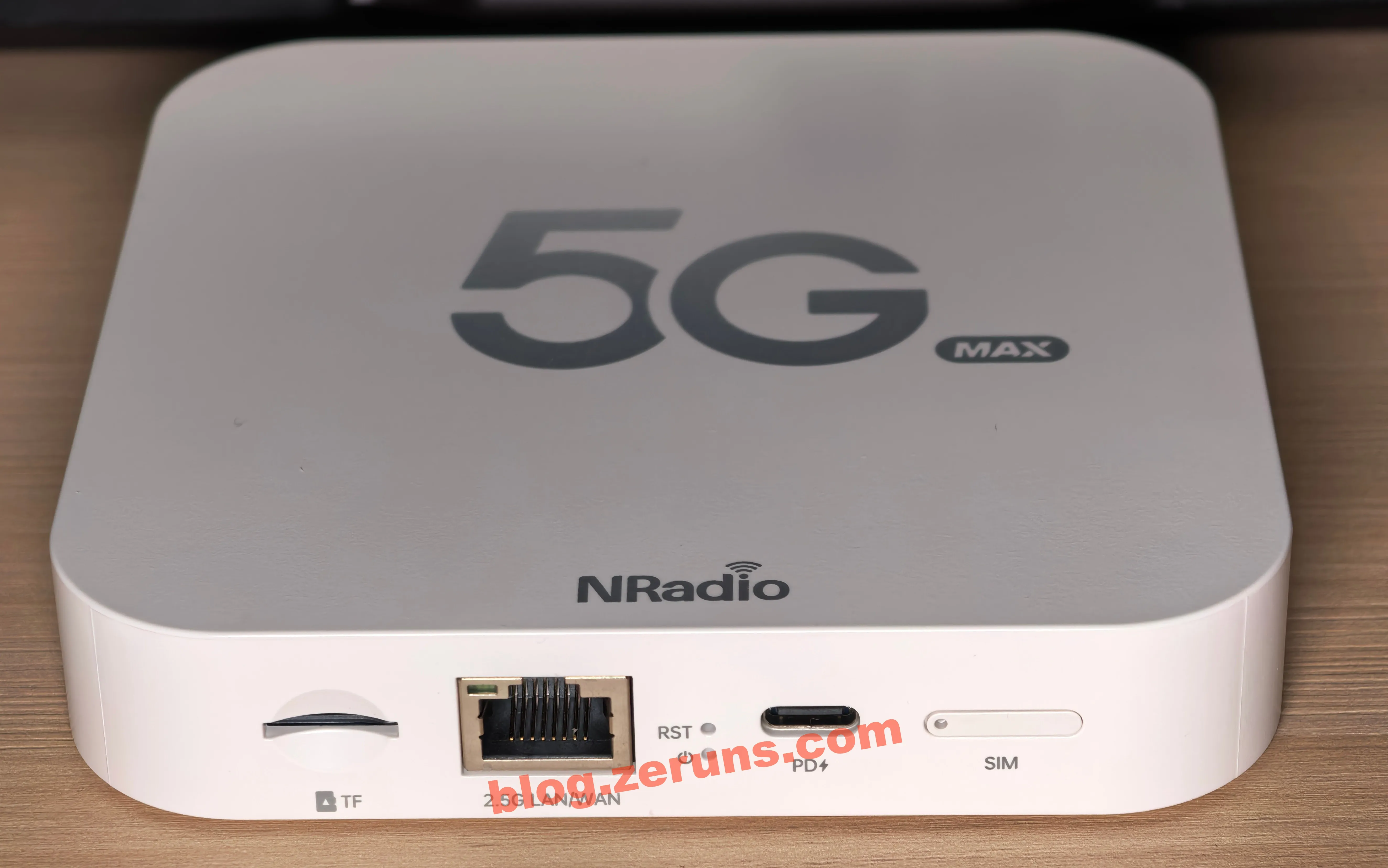
Back of the C2000MAX. From left to right: TF card slot, 2.5G Ethernet port, RST reset button, power indicator, USB-C power port, and dual nano-SIM card slot (similar to a smartphone's SIM tray, requires a pin to eject).
Bottom of the C2000MAX, bearing a label printed with device info.
Review
Network Speed Test
Location: Inside a room in a tech park in Guangming District, Shenzhen
China Telecom 5G
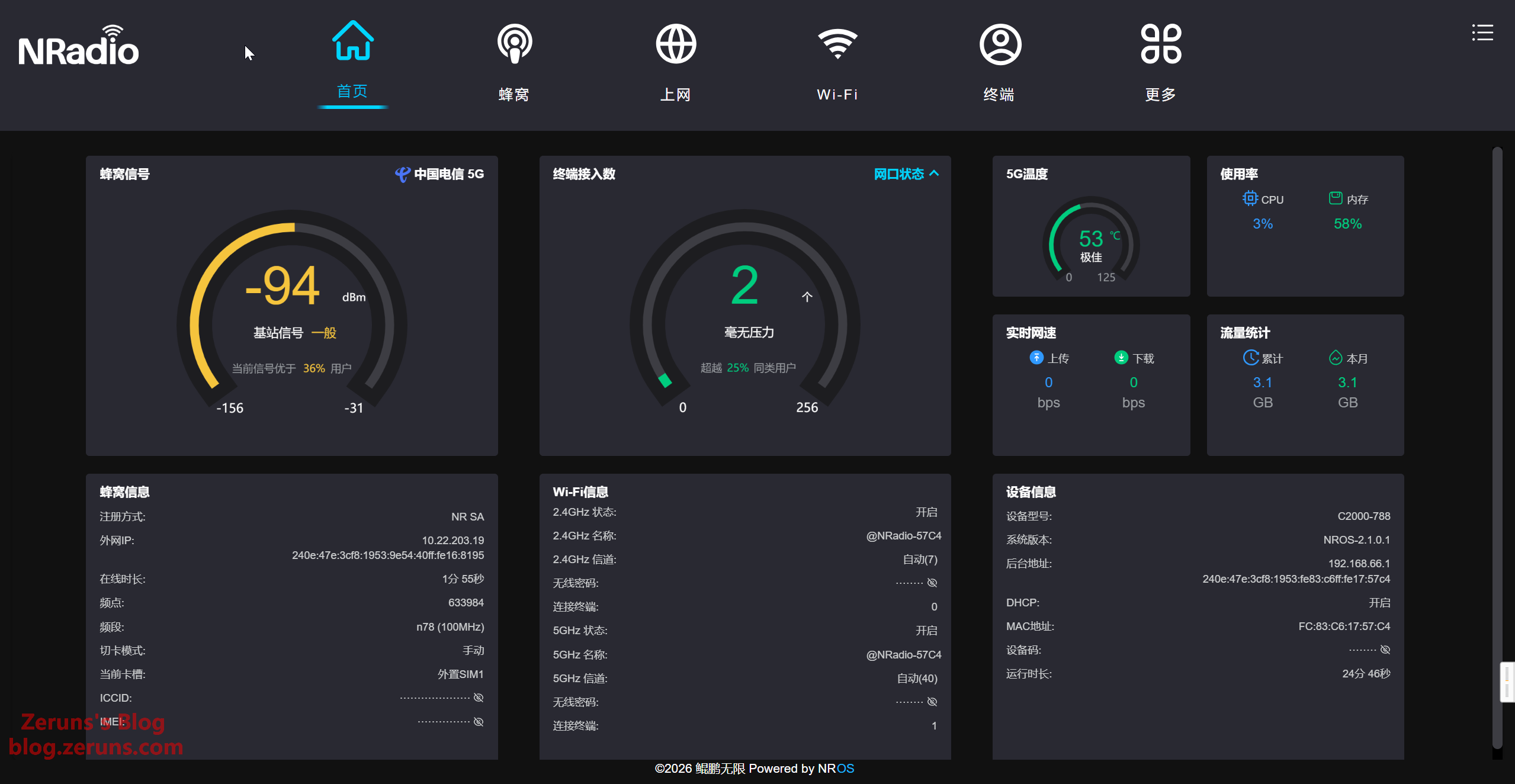
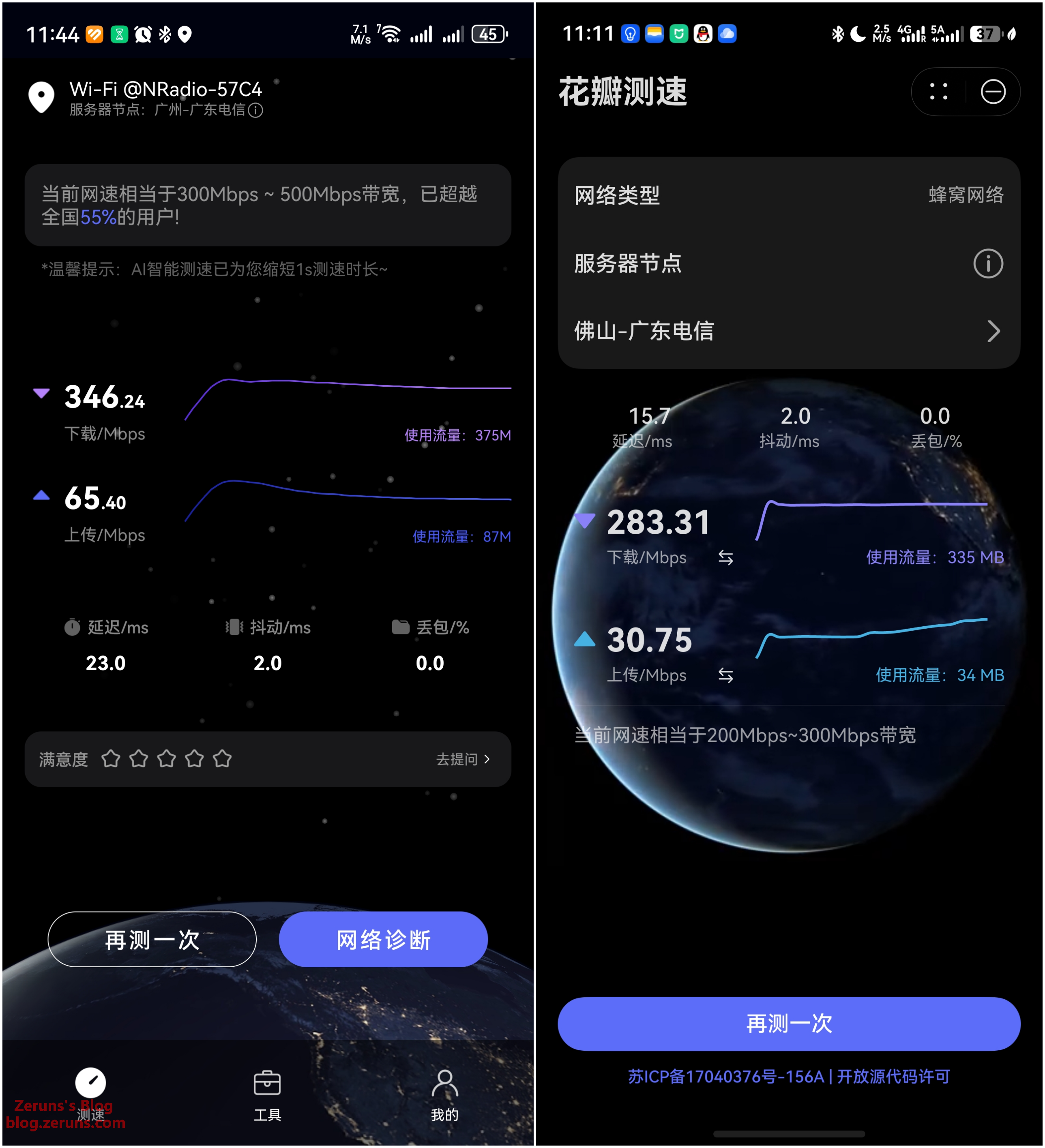
Network information is shown below. Signal strength is -94dBm, band n78 (3.3GHz-3.8GHz). The signal is relatively weak, and neither 5G-A nor Carrier Aggregation was triggered (they appear occasionally, likely due to base station coverage issues in my area).
On the left is the C2000MAX, with a download speed of 346.24Mbps and upload of 65.4Mbps;
On the right is the Huawei Pura 70 Pro+, with a download speed of 283.31Mbps and upload of 30.75Mbps.
China Mobile 5G
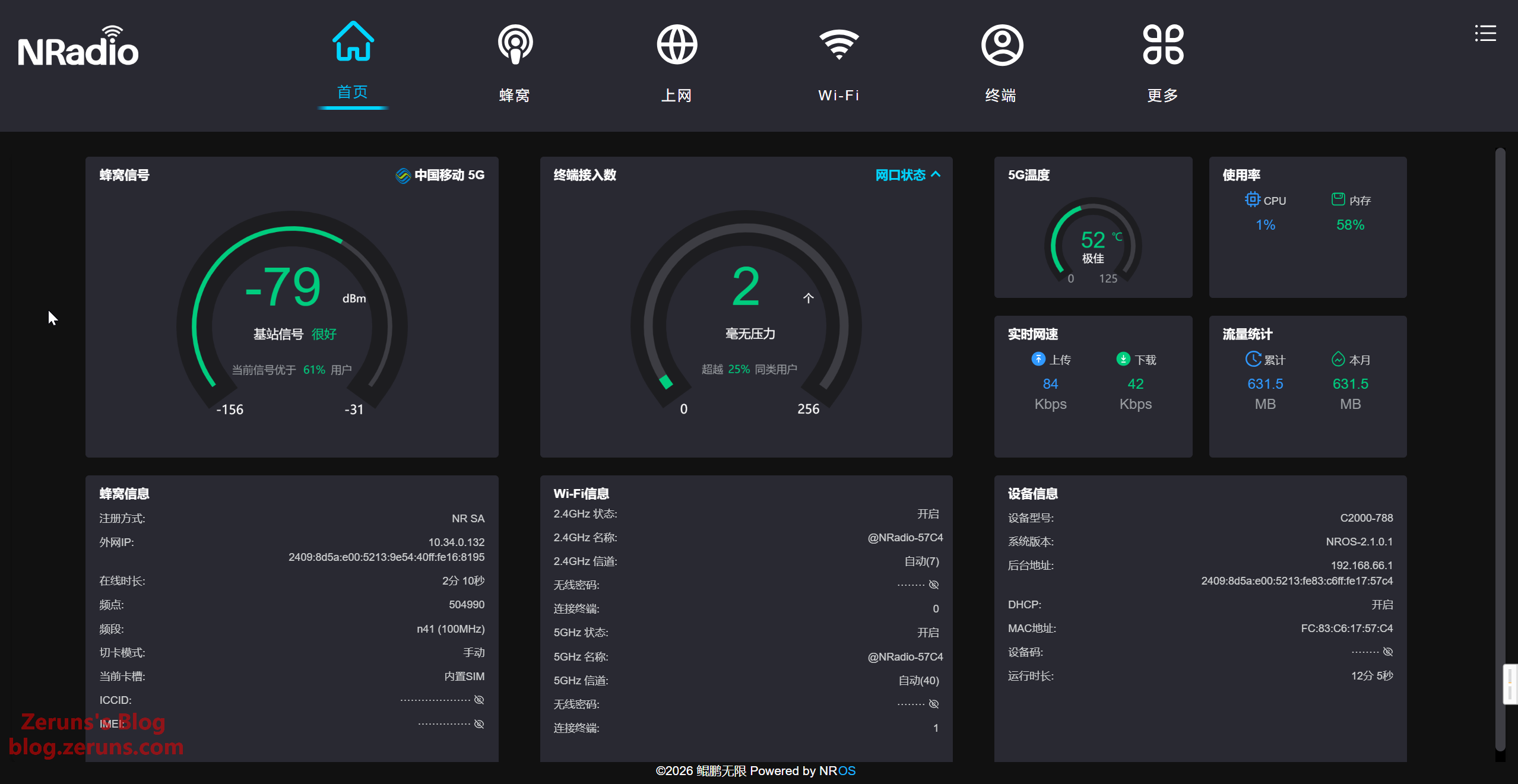
Network information is shown below. Signal strength is -79dBm, band n41 (2.5GHz-2.7GHz). The signal here is quite good.
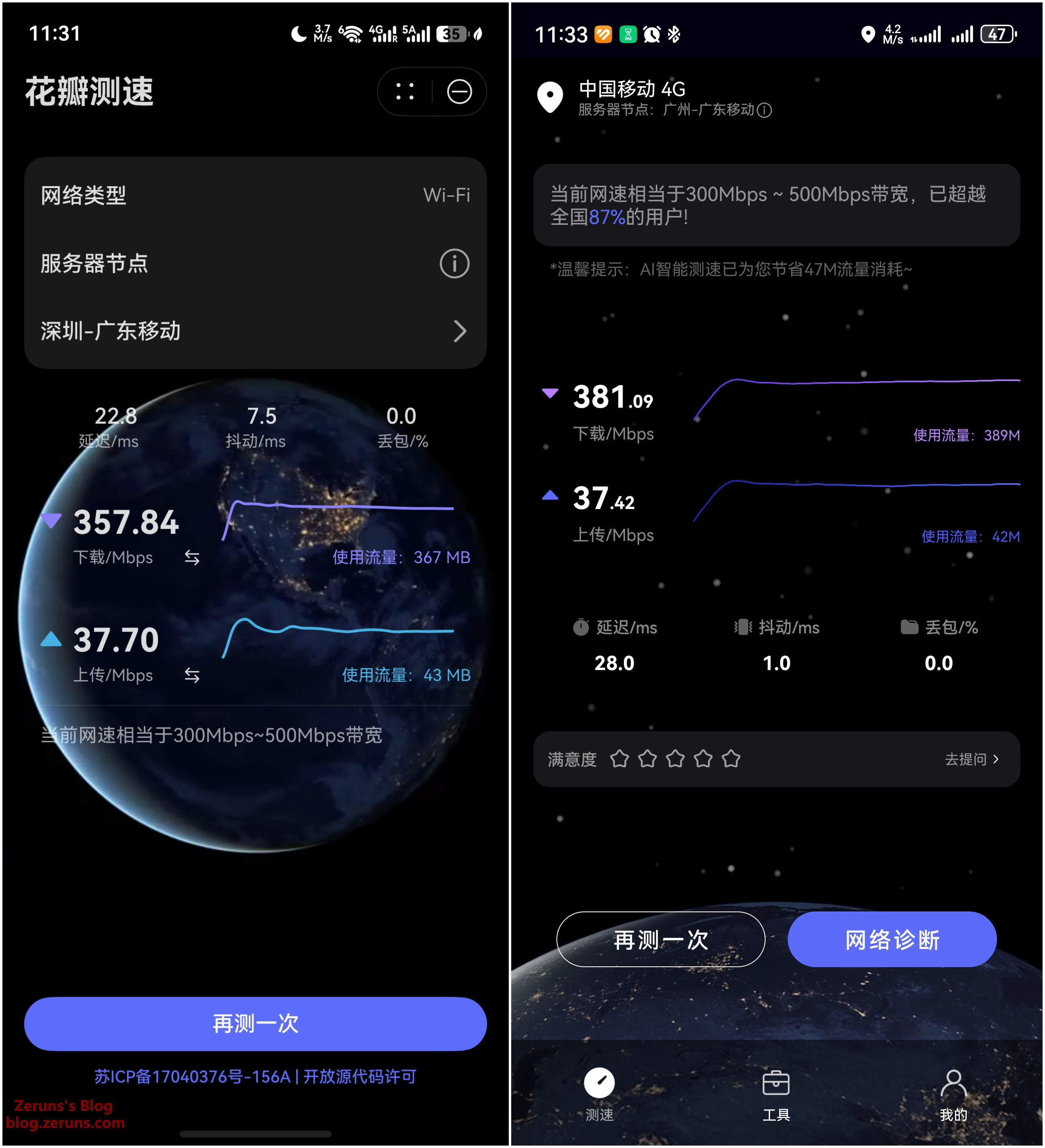
On the left is the C2000MAX, downloading at 357.84Mbps and uploading at 37.7Mbps;
On the right is the Huawei Mate 70 Pro+, downloading at 381.09Mbps and uploading at 37.42Mbps.
Max Wi-Fi Rate
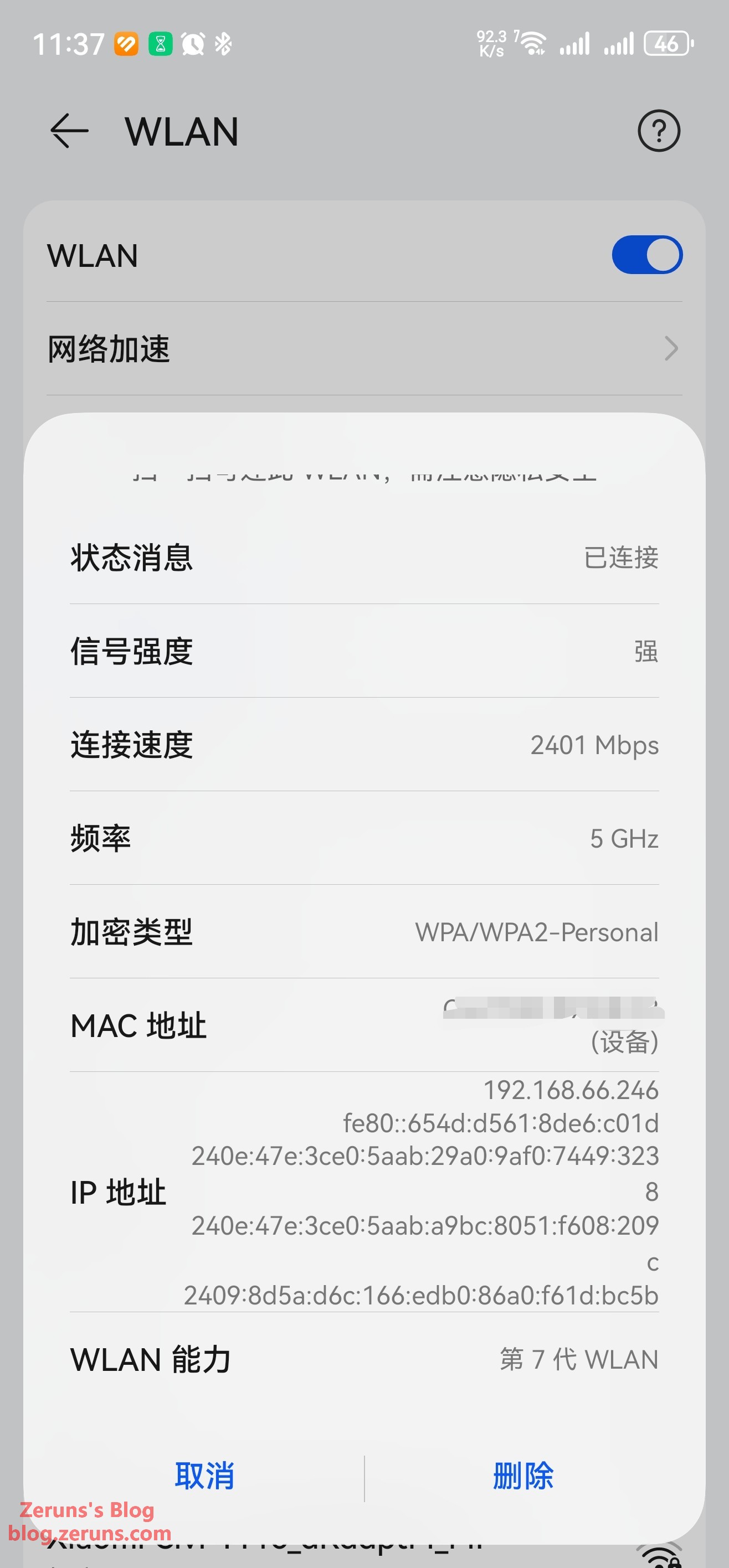
The maximum negotiated Wi-Fi rate on the 5GHz band is consistently around 2401Mbps.
Power Consumption Test
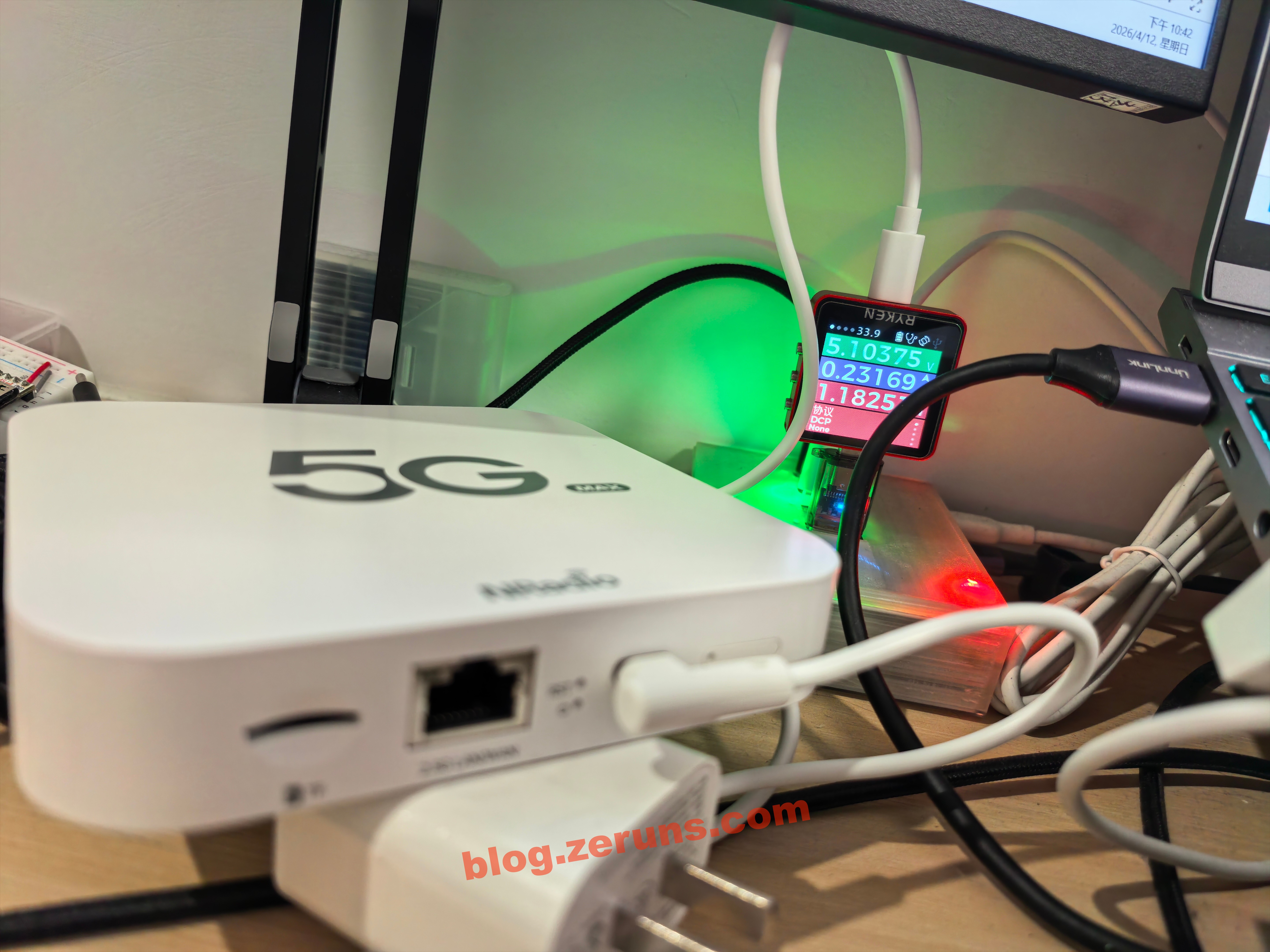
When supplied with a 5V input, it cannot boot normally; the current fluctuates within 0.2A. The output capacity of this specific USB-A port is 5V/2A.
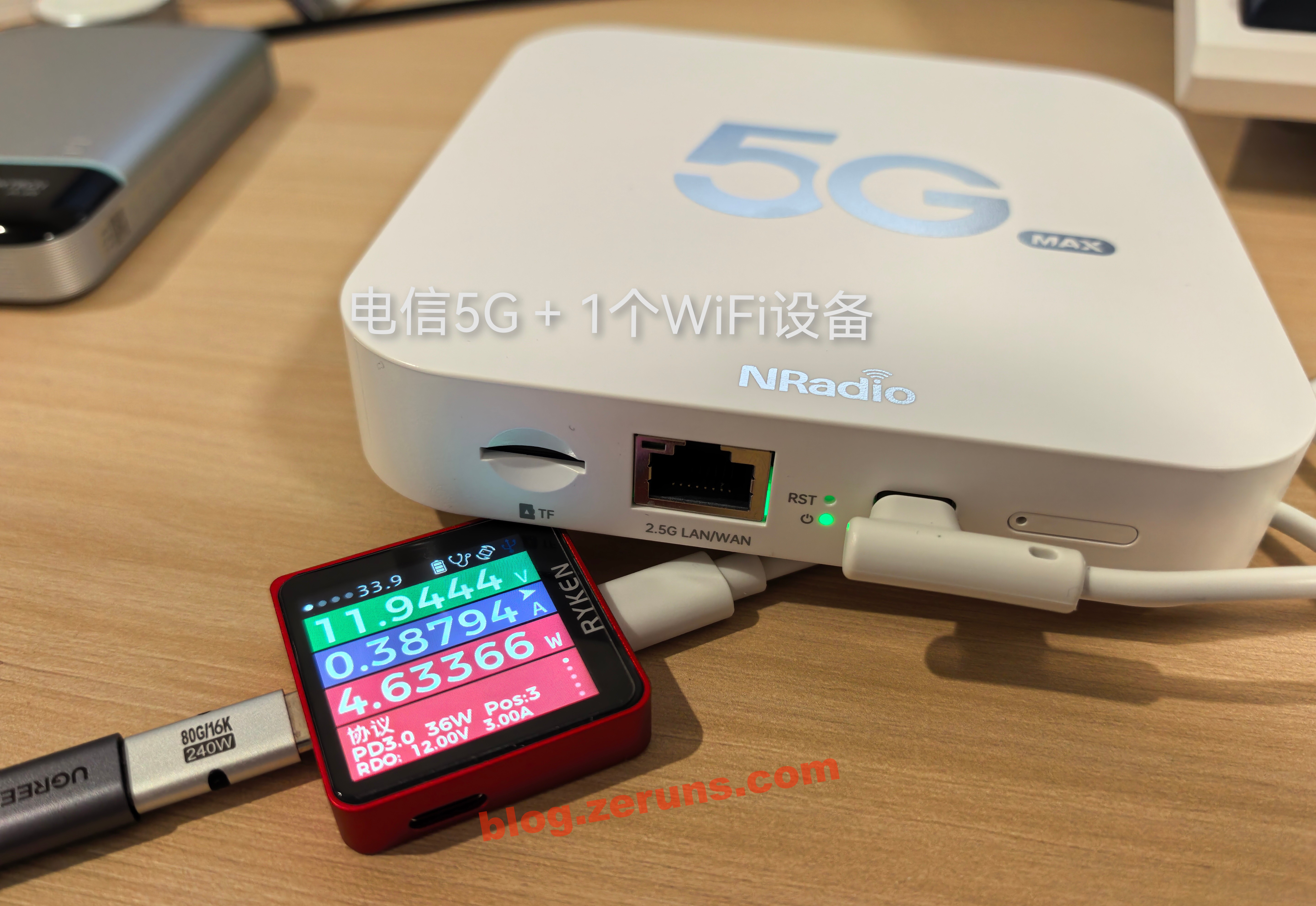
Switched to China Telecom 5G and connected one Wi-Fi device. When idling (not transmitting data), power consumption is around 4.6W.
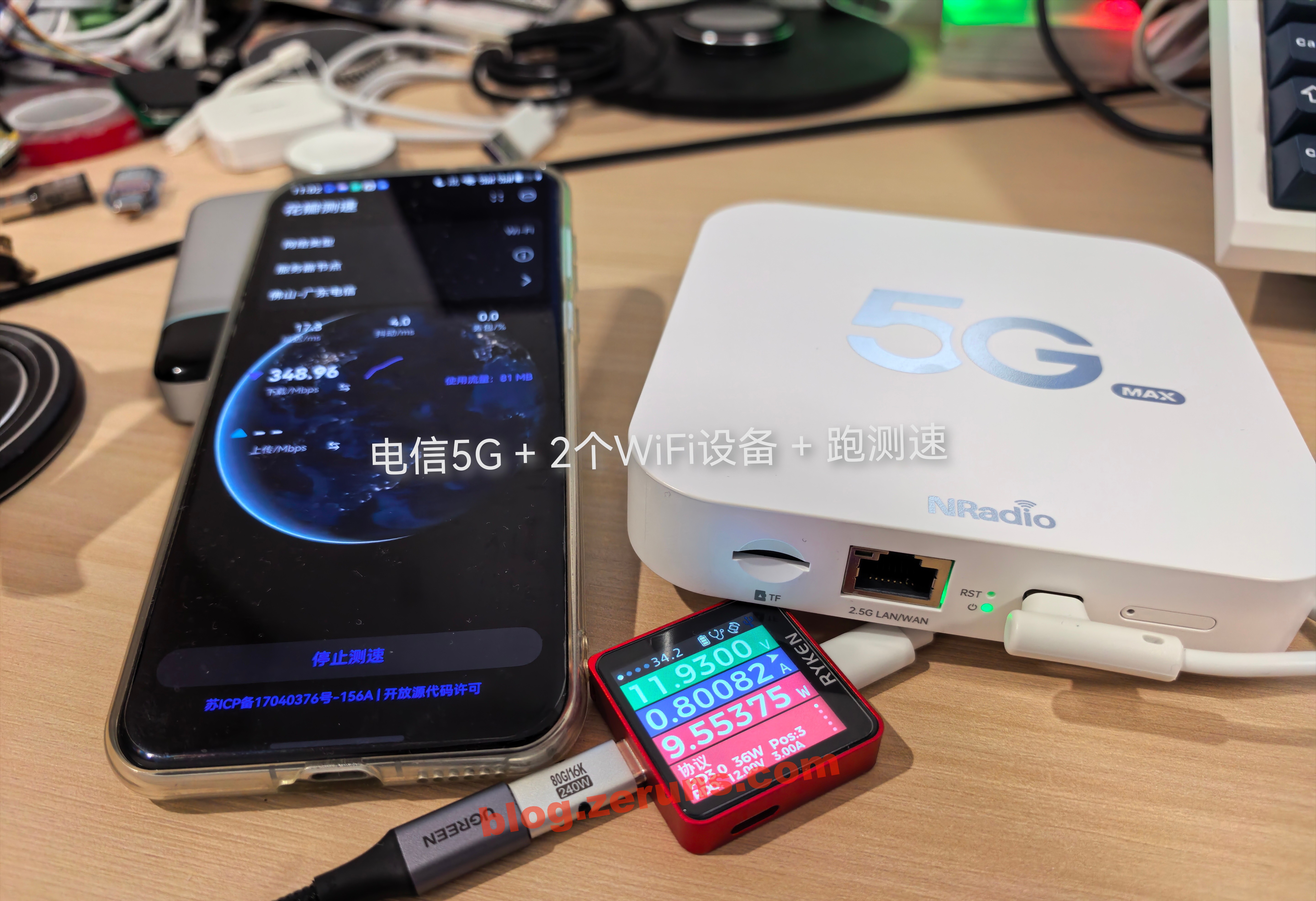
Switched to China Telecom 5G and connected two Wi-Fi devices. While running a speed test, power consumption jumps to about 9.5W.
Data Plan Pricing
The version I bought has 1 built-in data card and can accommodate 2 extra SIM cards. The built-in card is provided by China Mobile.
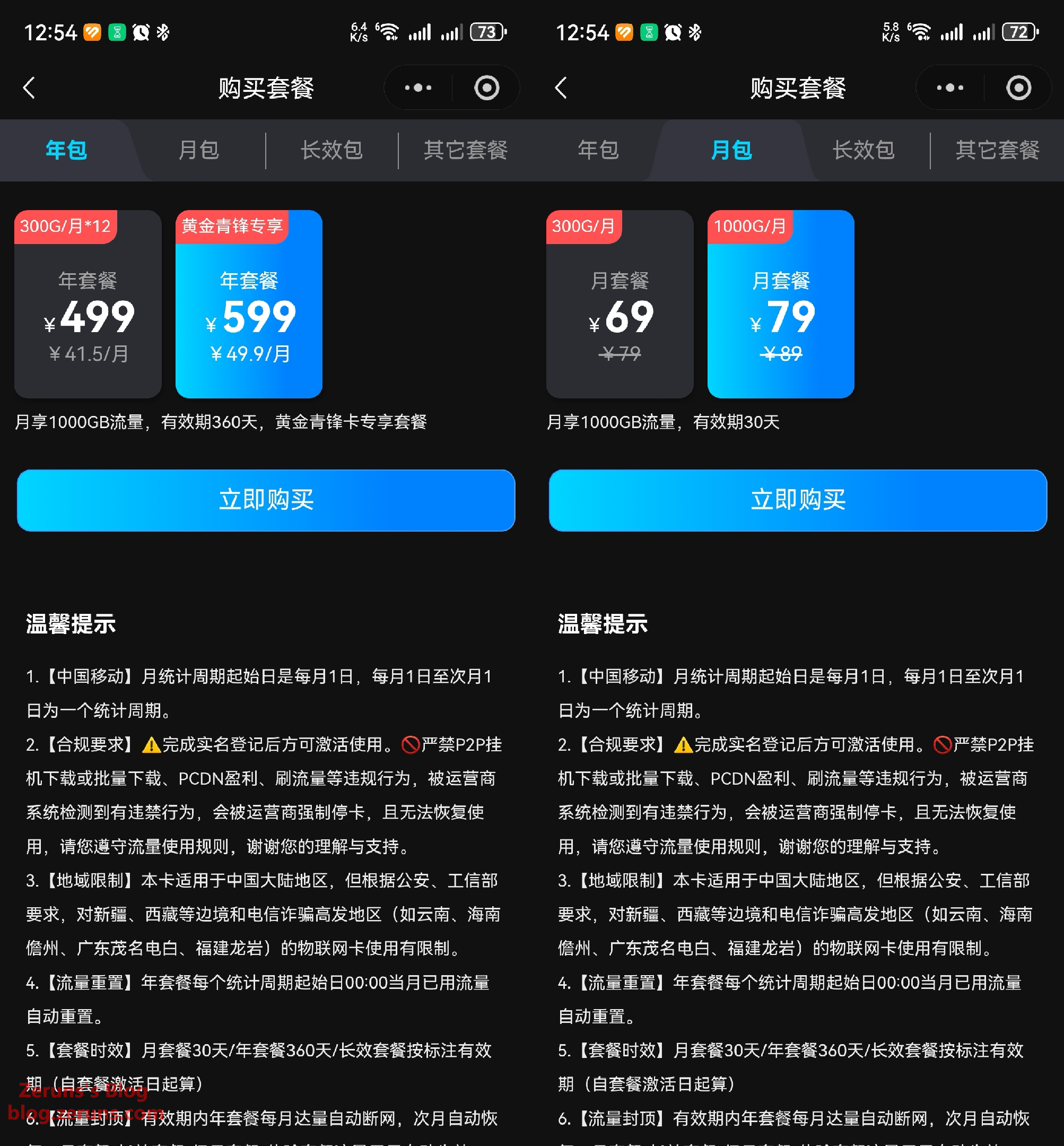
For 1TB of data per month, the annual package is 599 RMB (about 49.9 RMB/month), and the monthly package is 79 RMB/month. The pricing is quite reasonable.
Admin Dashboard
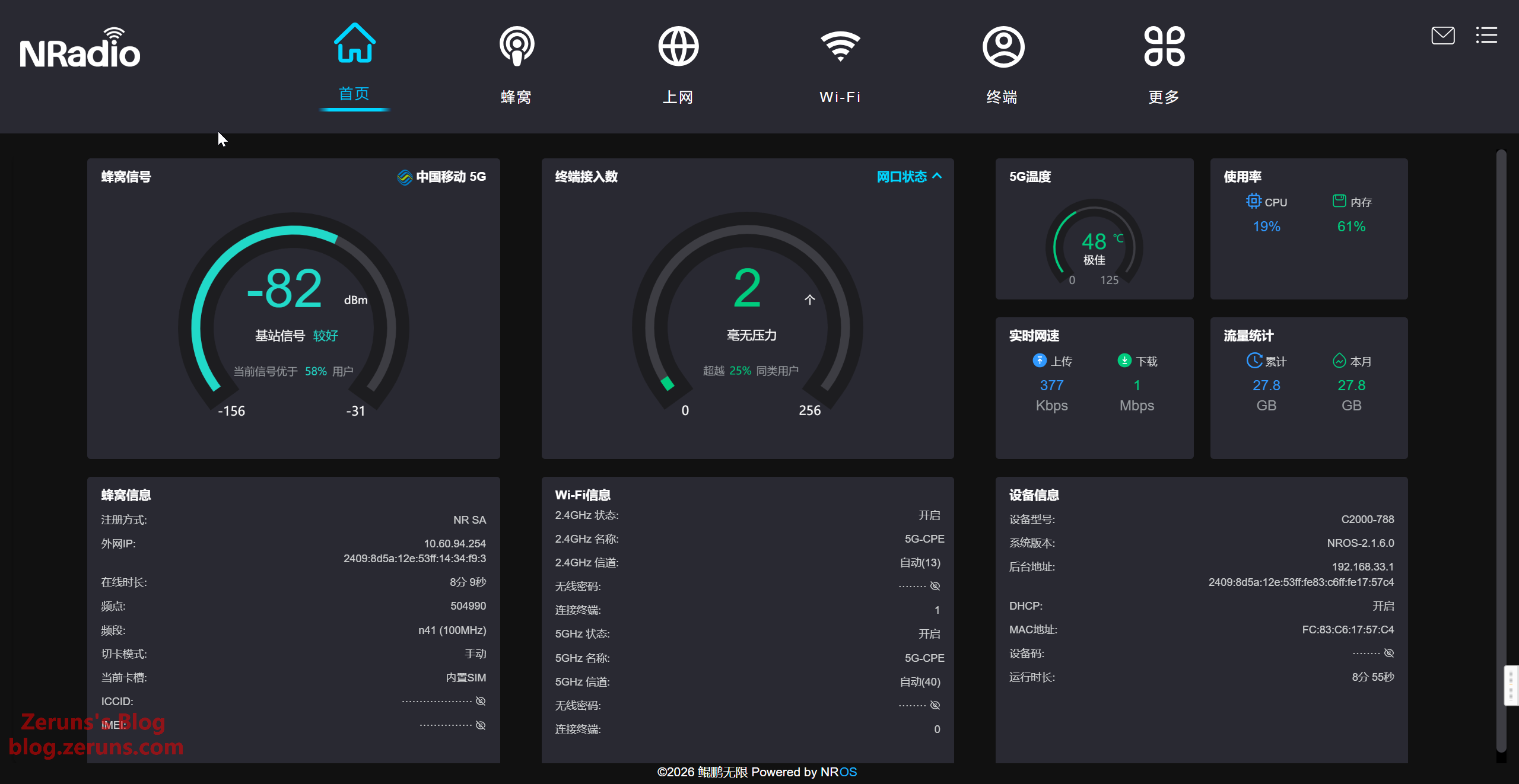
The dashboard homepage displays basic device and network information.
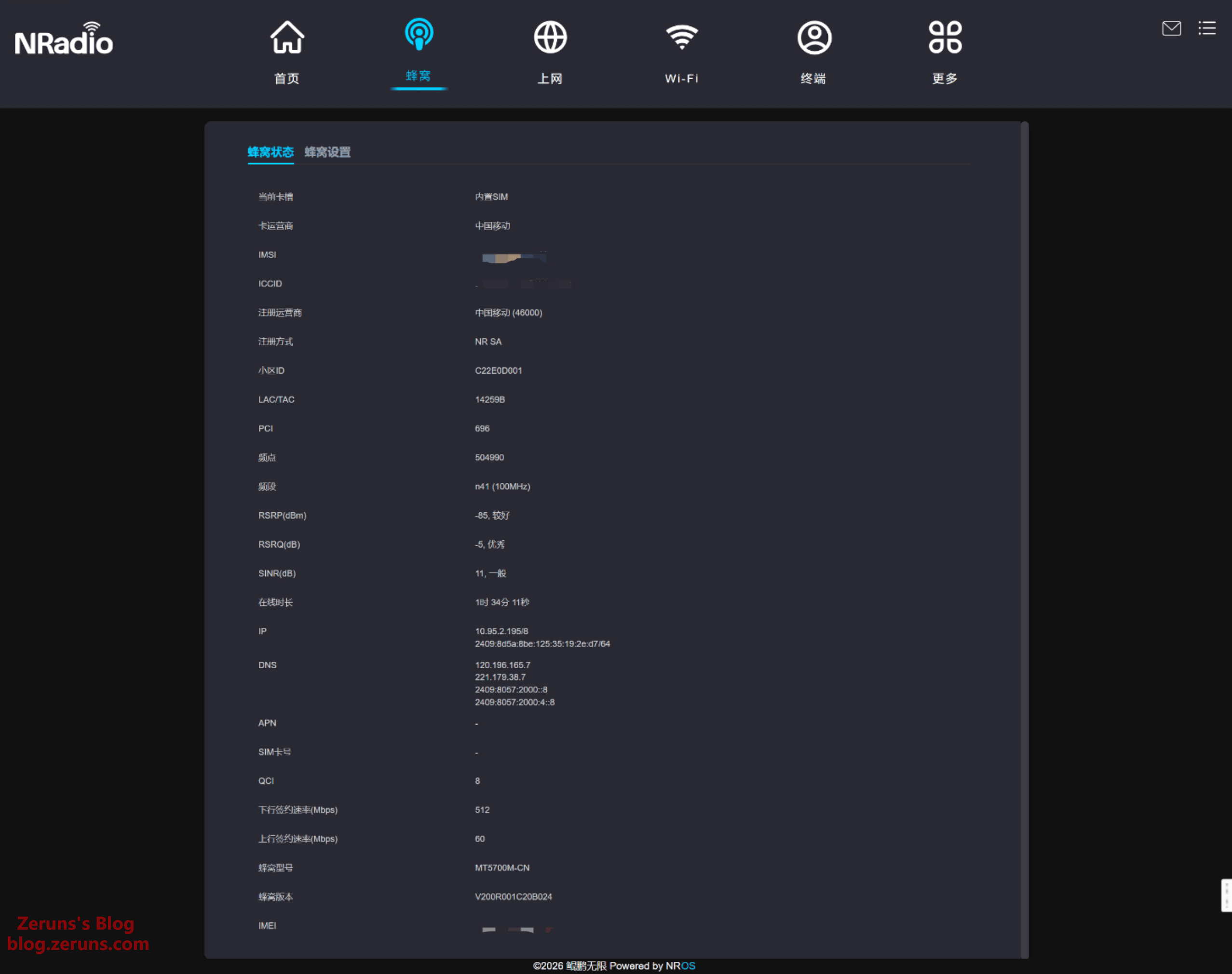
The Cellular Status page shows detailed info of the current cellular network (Signal strength RSRP, Cell ID, Network mode, IP, DNS, Carrier, RSRQ, SINR, Frequency, Band, etc.).
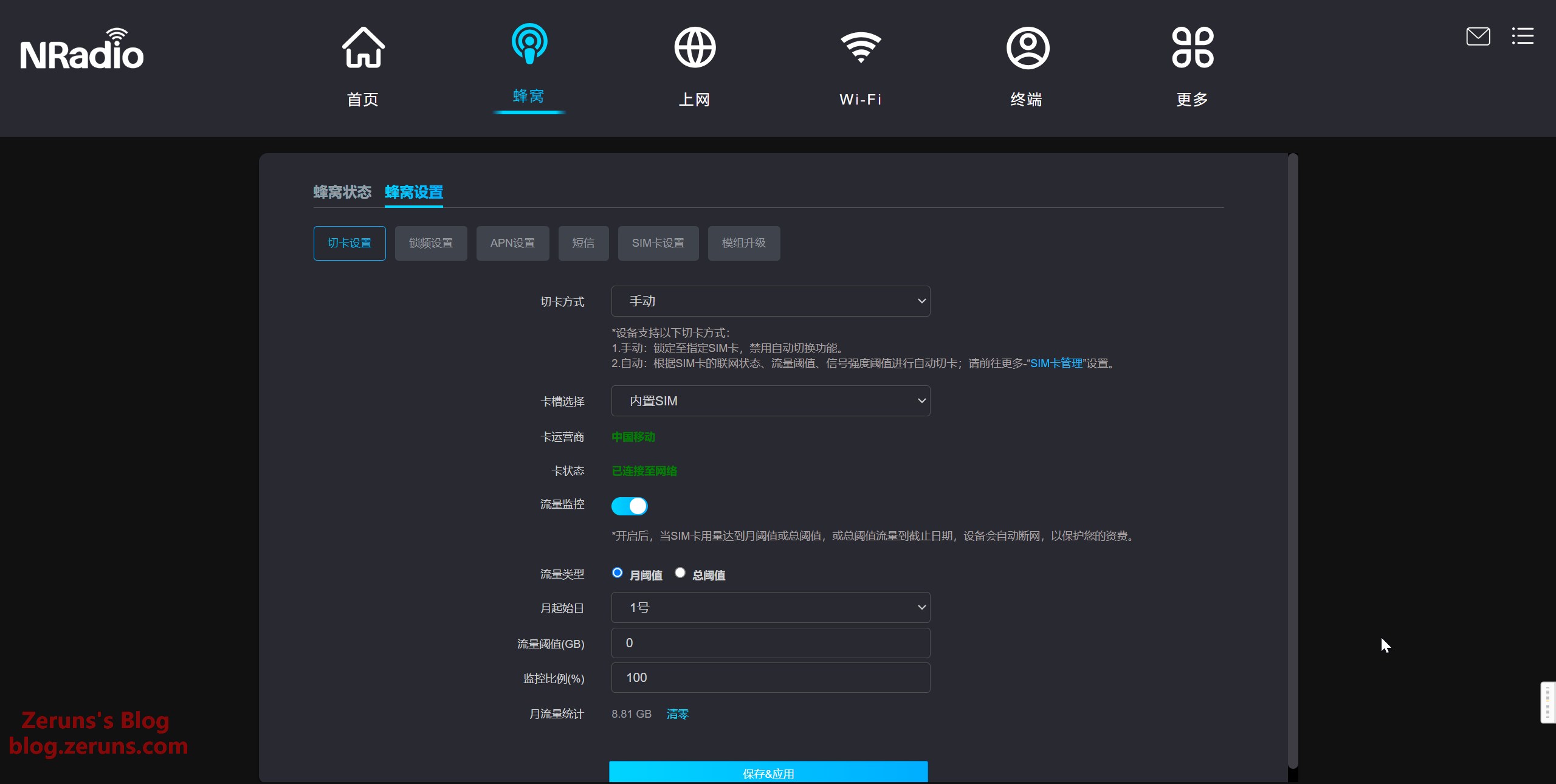
The Cellular Settings page. Here you can switch SIM cards or set it to auto-switch (based on data usage) and set data thresholds.
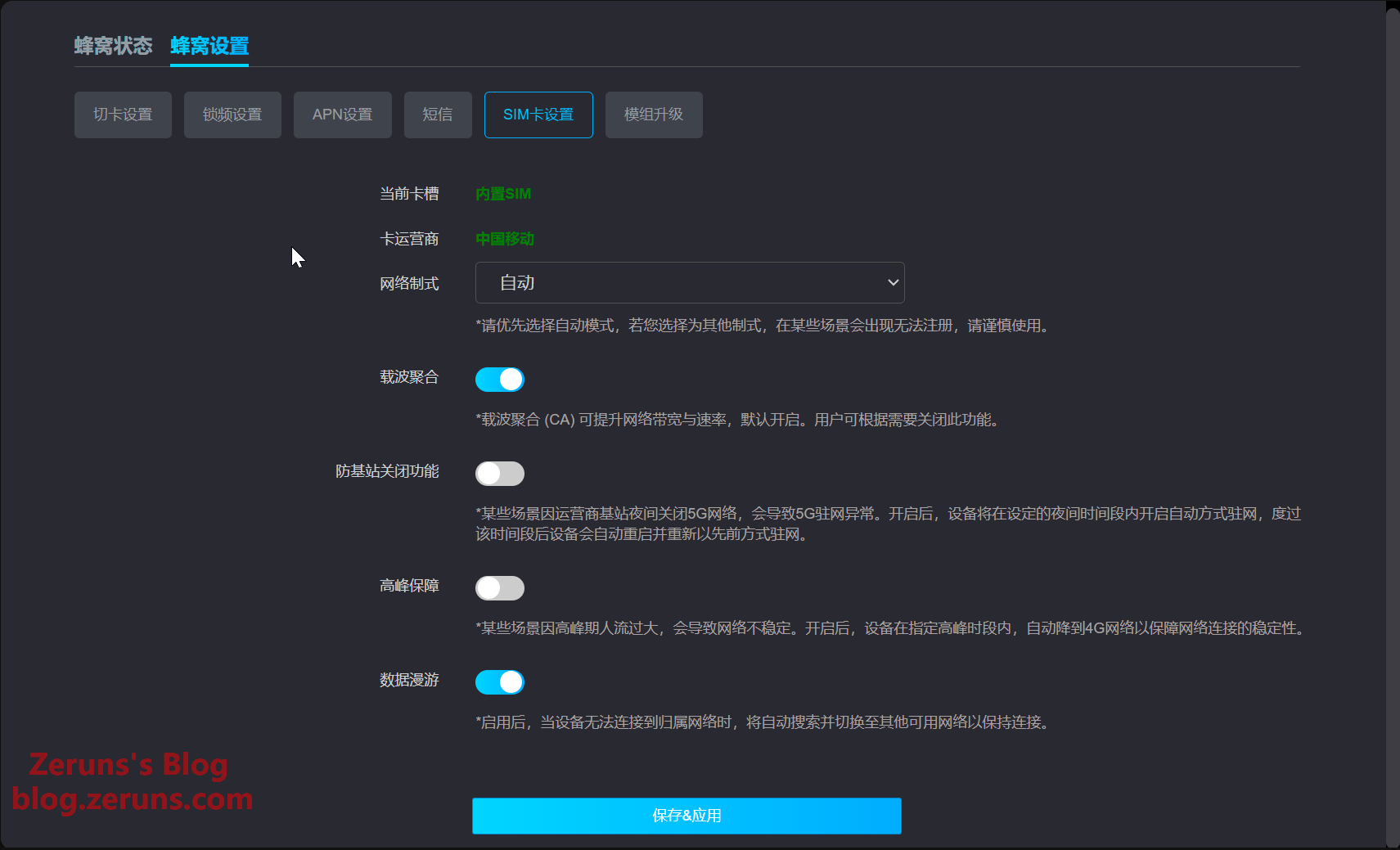
The SIM Card Settings sub-page under Cellular Settings. You can manually select the network mode (5G or 4G), enable/disable carrier aggregation, and configure features like base station drop prevention, peak guarantee, and data roaming.
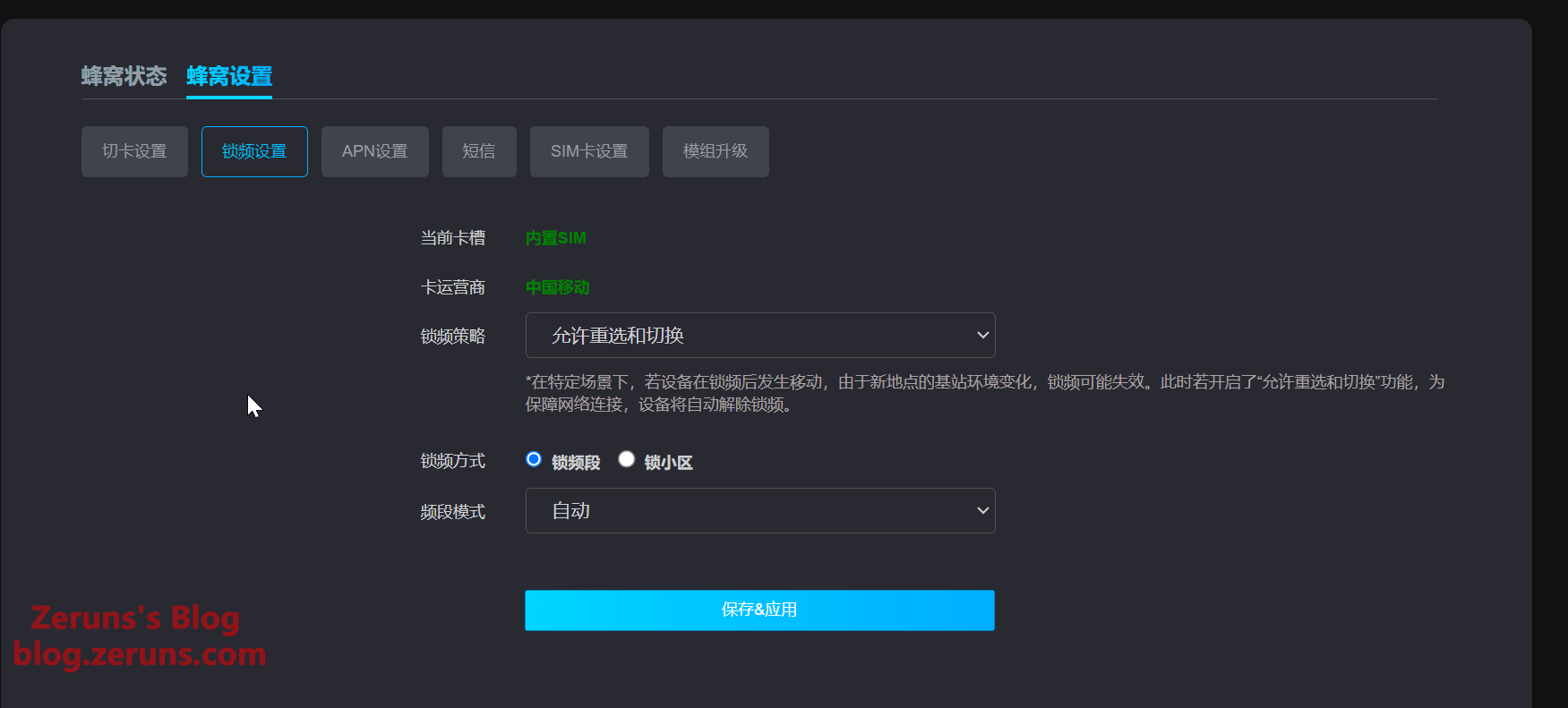
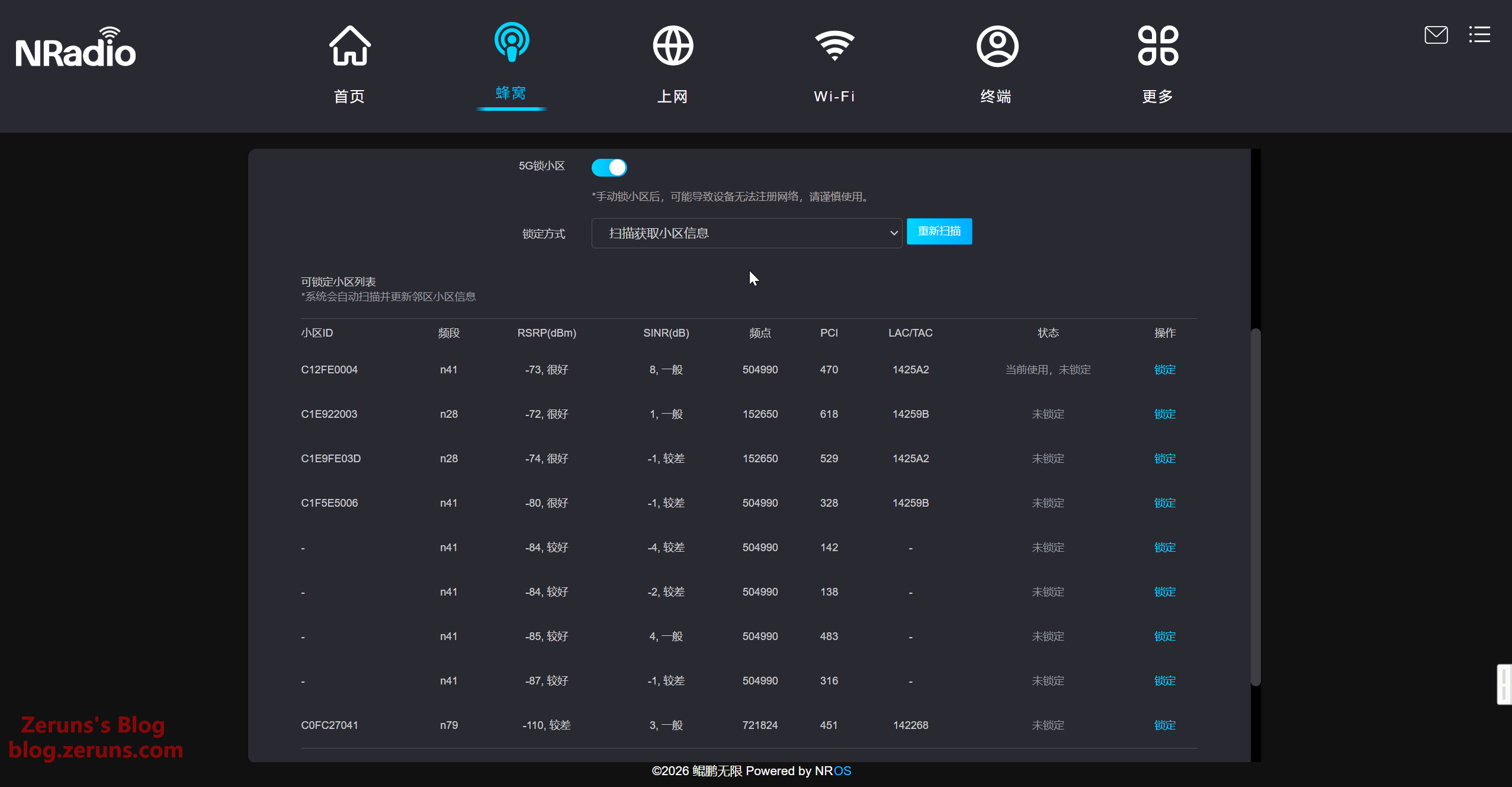
You can also set band locking and cell locking. The cell locking settings page allows you to scan and retrieve cell information.
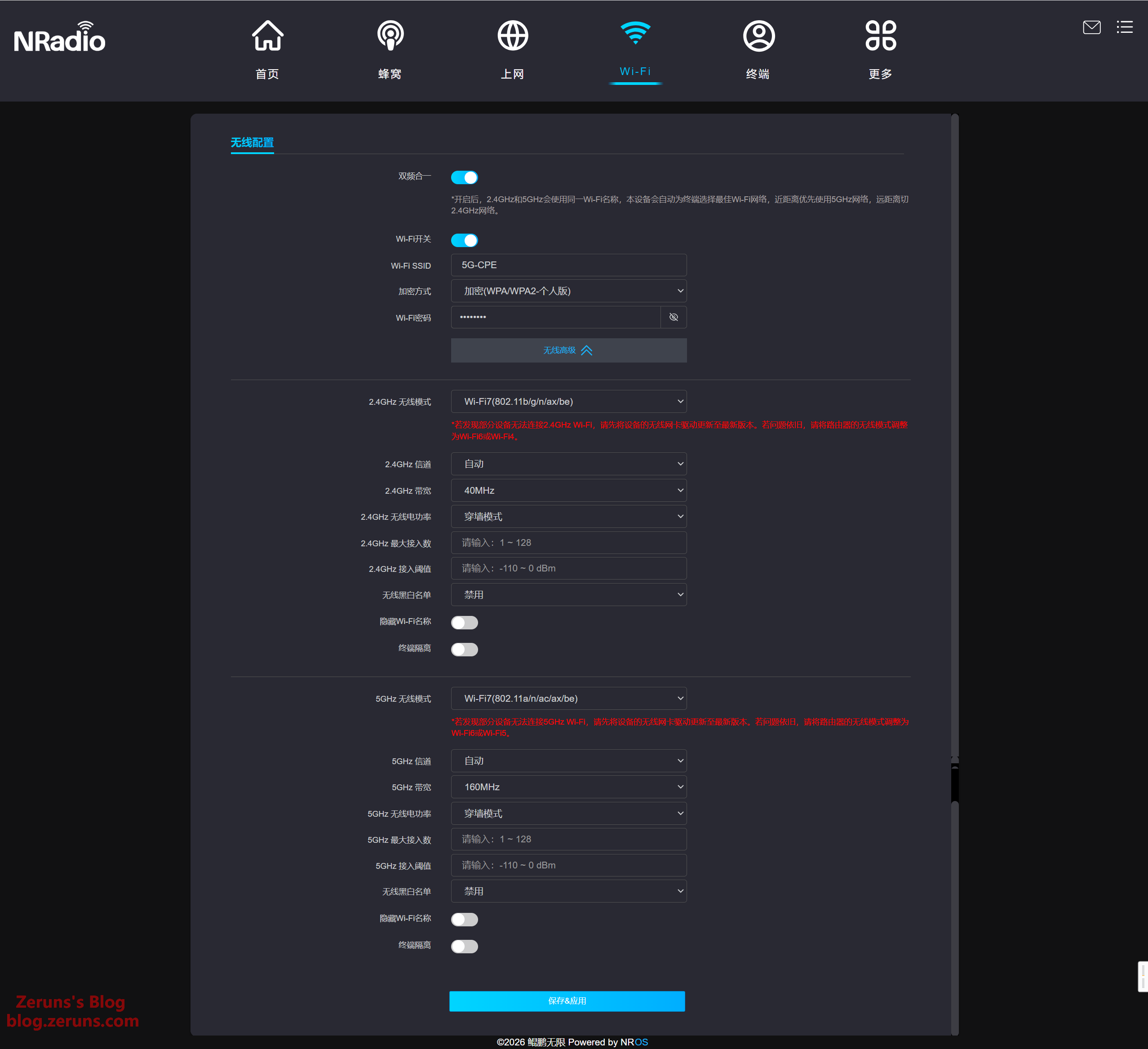
Wi-Fi Settings page.
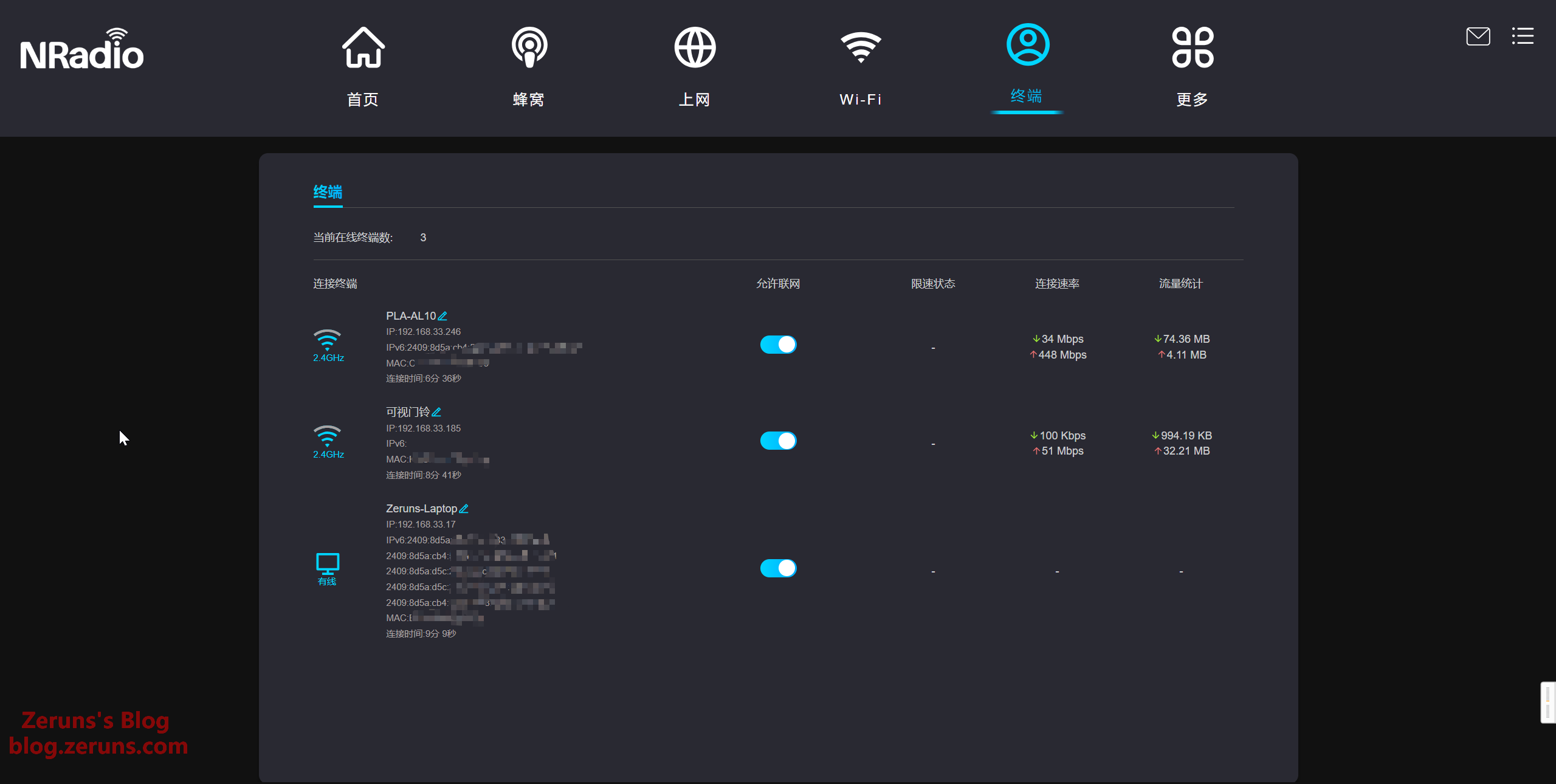
Terminal Settings page.
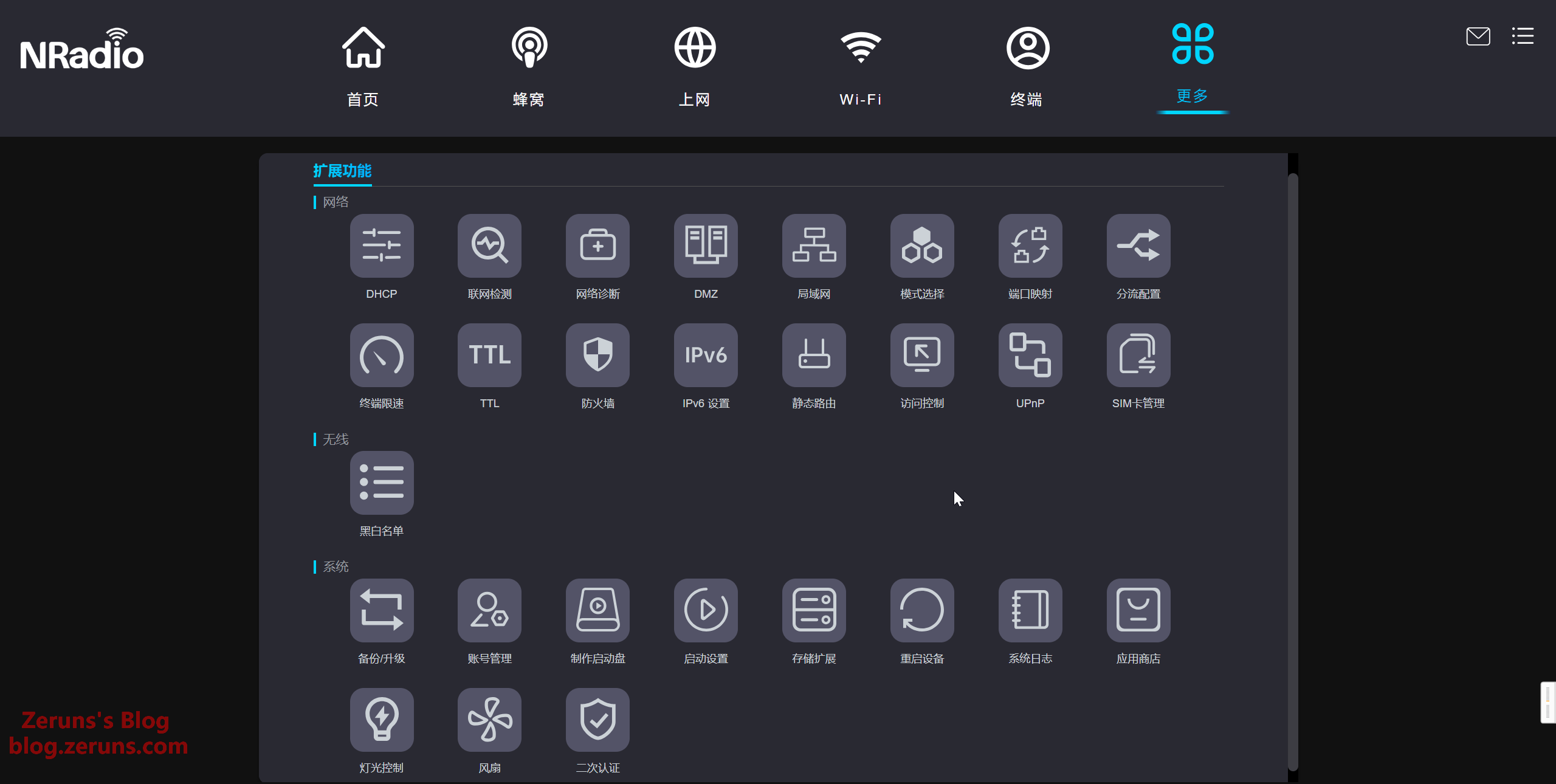
Advanced features in the More Settings page. You can enable UPnP, DMZ, etc., configure IPv6, and set port mapping and terminal device rate limiting.
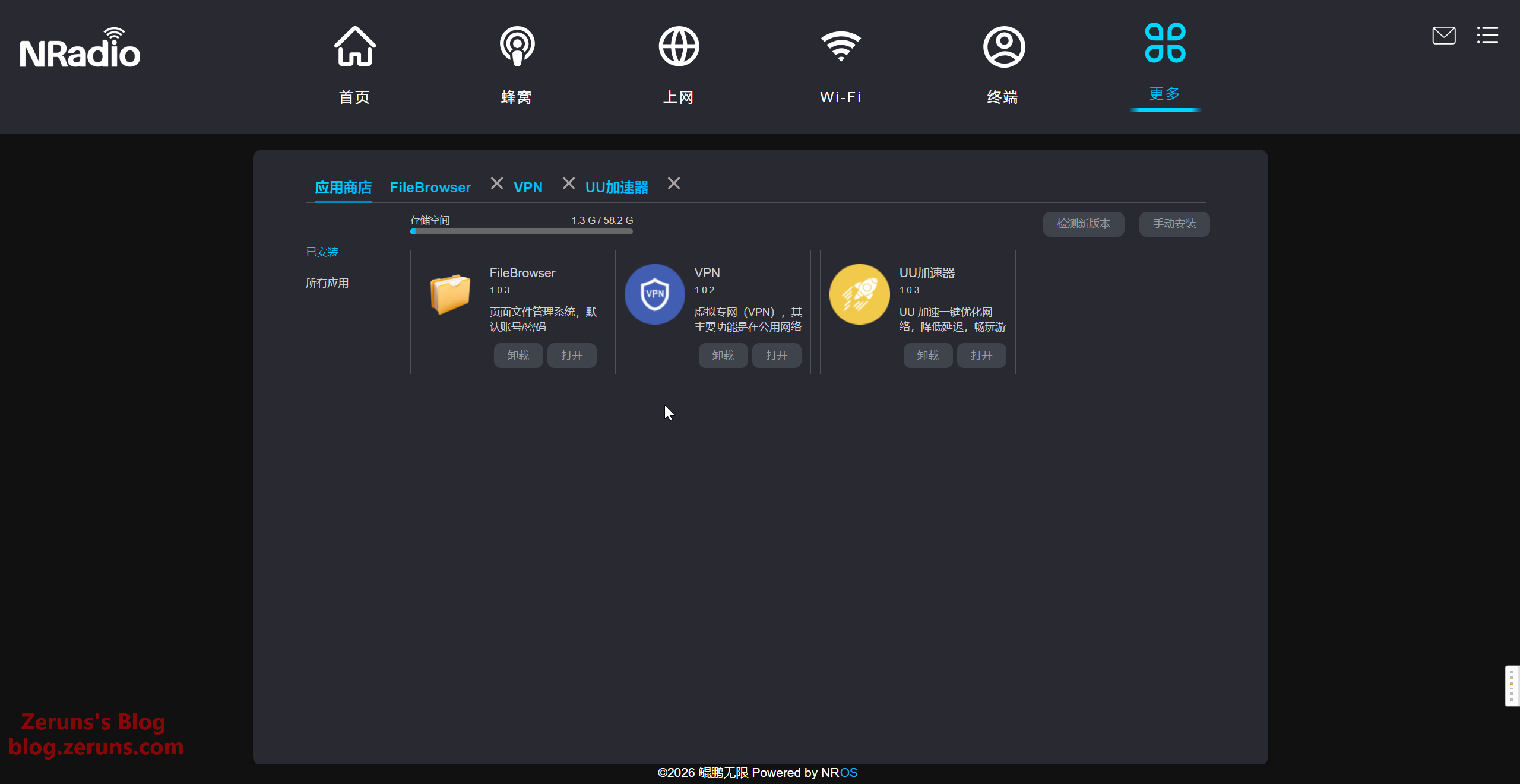
After inserting a TF card, you can install apps like File Manager and NetEase UU Booster from the App Store located in the More Settings page.
System Firmware
The C2000MAX supports NROS/OpenWrt systems.
NROS is the factory default system, which is actually developed based on OpenWrt. Since the built-in Flash space is quite small, this system is likely a stripped-down version.
There is also an OpenWrt open-source firmware system available, which needs to be flashed onto a TF card and set up to boot from external storage. The firmware download link can be found in the official QQ group, but I have uploaded it to a cloud drive for direct download; the archive contains the flashing tutorial.
- 123 Pan: https://url.zeruns.com/VUAm8
- Baidu Netdisk: https://url.zeruns.com/Ok5R0
5G Frequency Bands (NR) Comparison Table
| Band Number | Frequency Range | Peak Rate & Bandwidth | Major Domestic Carriers | Characteristics & Typical Scenarios |
|---|---|---|---|---|
| n1 | 1920-1980 MHz (Uplink) 2110-2170 MHz (Downlink) | ~400-600 Mbps (Based on 40MHz) | China Unicom, China Telecom (Shared) | FDD Mid-band. Balances coverage and capacity with significant uplink advantages. Often used for continuous urban coverage and as a blind spot supplement for high bands (like n78). |
| n3 | 1710-1785 MHz (Uplink) 1805-1880 MHz (Downlink) | ~300-450 Mbps (Based on 30MHz) | China Unicom, China Telecom | FDD Mid-band. Refarmed from premium 4G bands, offering strong penetration, excellent broad coverage, and deep indoor coverage. |
| n5 | 824-849 MHz (Uplink) 869-894 MHz (Downlink) | ~150-200 Mbps (Based on 20MHz) | China Telecom | FDD Low-band. Minimal signal attenuation with a massive single-base-station coverage area. Mainly used for remote areas, highways, or deep indoor coverage like basements. |
| n8 | 880-915 MHz (Uplink) 925-960 MHz (Downlink) | ~150-200 Mbps (Based on 20MHz) | China Mobile, China Unicom | FDD Low-band. Traditional "golden band" with exceptional diffraction capabilities. Widely used for rural coverage, maritime coverage, and IoT baseline networks (RedCap, etc.). |
| n28 | 703-748 MHz (Uplink) 758-803 MHz (Downlink) | ~350-450 Mbps (Based on 30/40MHz) | China Broadnet, China Mobile (Shared) | FDD Low-band (700MHz). Extremely low propagation loss and wide coverage. The primary force driving 5G penetration into China's lower-tier markets; also commonly used for VoNR voice bearers. |
| n41 | 2515-2675 MHz | ~1.5 Gbps+ (Based on 100/160MHz) | China Mobile | TDD Mid-High Band. China Mobile's 5G core mainstay. Balances good coverage with extremely high rates and capacity, used for continuous coverage in cities, towns, and main roads. |
| n78 | 3300-3600 MHz | ~1.5-1.7 Gbps+ (Based on 100MHz) | China Telecom, China Unicom, China Broadnet | TDD Mid-High Band (3.5GHz). The global mainstream 5G band. Massive bandwidth, primarily targeting high-throughput demands in high-density urban hot spots (commercial districts, office areas, universities). |
4G Frequency Bands (LTE) Comparison Table
| Band Number | Frequency Range | Peak Rate | Major Domestic Carriers | Characteristics & Typical Scenarios |
|---|---|---|---|---|
| B1 | 1920-1980 MHz (Uplink) 2110-2170 MHz (Downlink) | ~150 Mbps (Single Carrier 20MHz) | China Unicom, China Telecom | FDD Mainstay. Refarmed from core 3G bands. Higher frequency, primarily used for foundational 4G capacity coverage in large/medium cities and high-traffic areas. |
| B3 | 1710-1785 MHz (Uplink) 1805-1880 MHz (Downlink) | ~150 Mbps (Single Carrier 20MHz) | China Unicom, China Telecom, China Mobile | FDD Core Mainstay. The most ubiquitous 4G band globally. It acts as the backbone carrier of 4G networks, balancing coverage and speed. |
| B5 | 824-849 MHz (Uplink) 869-894 MHz (Downlink) | ~75 Mbps (Single Carrier 10MHz) | China Telecom, China Unicom | FDD Low-band. Long propagation distance, mostly used for broad rural coverage and low-rate device access like NB-IoT (Narrowband IoT). |
| B8 | 880-915 MHz (Uplink) 925-960 MHz (Downlink) | ~75 Mbps (Single Carrier 10MHz) | China Mobile, China Unicom | FDD Low-band. Refarmed from 2G/3G, providing deep indoor coverage (elevators, basements) and VoLTE voice guarantees in remote areas. |
| B28 | 703-748 MHz (Uplink) 758-803 MHz (Downlink) | ~150 Mbps (Single Carrier 20MHz) | China Broadnet (Partially shared by Mobile) | FDD Low-band. Primarily provides extremely wide-area 4G signal coverage in certain remote areas, forests, or maritime regions. |
| B34 | 2010-2025 MHz | ~50 Mbps (Single Carrier 15MHz) | China Mobile | TDD Band. Refarmed from TD-SCDMA. Narrower bandwidth, mainly acting as a capacity supplement for hot spots or for IoT access. |
| B38 | 2570-2620 MHz | ~100 Mbps (Single Carrier 20MHz) | China Mobile | TDD High-band. Higher attenuation but good anti-interference, mainly used for absorbing capacity in dense urban hot spots (train stations, pedestrian streets). |
| B39 | 1880-1920 MHz | ~100 Mbps (Single Carrier 20MHz) | China Mobile | TDD Mainstay Band. Relatively moderate frequency, balancing coverage and capacity. Commonly used for continuous urban coverage and indoor distribution systems. |
| B40 | 2300-2400 MHz | ~100 Mbps (Single Carrier 20MHz) | China Mobile, China Telecom, China Unicom | TDD Indoor Band. Primarily used by domestic carriers for Indoor Distribution Systems (DAS). Commonly deployed in enclosed, high-traffic spaces like malls and subways. |
| B41 | 2515-2675 MHz | ~300 Mbps+ (Carrier Aggregation) | China Mobile, China Telecom, China Unicom | TDD Core High-Capacity Band. Extremely abundant resources. Frequently utilizes Carrier Aggregation (CA) to deliver ultra-high 4G speeds, targeting extreme high-traffic scenarios in dense urban areas. |
Recommended Reading
- Cost-effective and Cheap VPS/Cloud Servers Recommendations: https://blog.zeruns.com/archives/383.html
- Minecraft Server Hosting Tutorial: https://blog.zeruns.com/tag/mc/
- Discourse Forum Setup Tutorial: Zero-to-hero Deployment of Open Source Community Forum: https://blog.zeruns.com/archives/919.html
- Cross-border E-commerce Standalone Site Setup Tutorial: WordPress Foreign Trade Website Guide: https://blog.zeruns.com/archives/889.html
- Step-by-step Guide to One-Click Deploying Halo Blog using 1Panel: https://blog.zeruns.com/archives/858.html
- [Open Source] SC8703-based Buck-Boost DCDC Adjustable Power Supply, Voltage/Current Adjustable, Supports PD Fast Charging Input: https://blog.zeruns.com/archives/929.html
评论