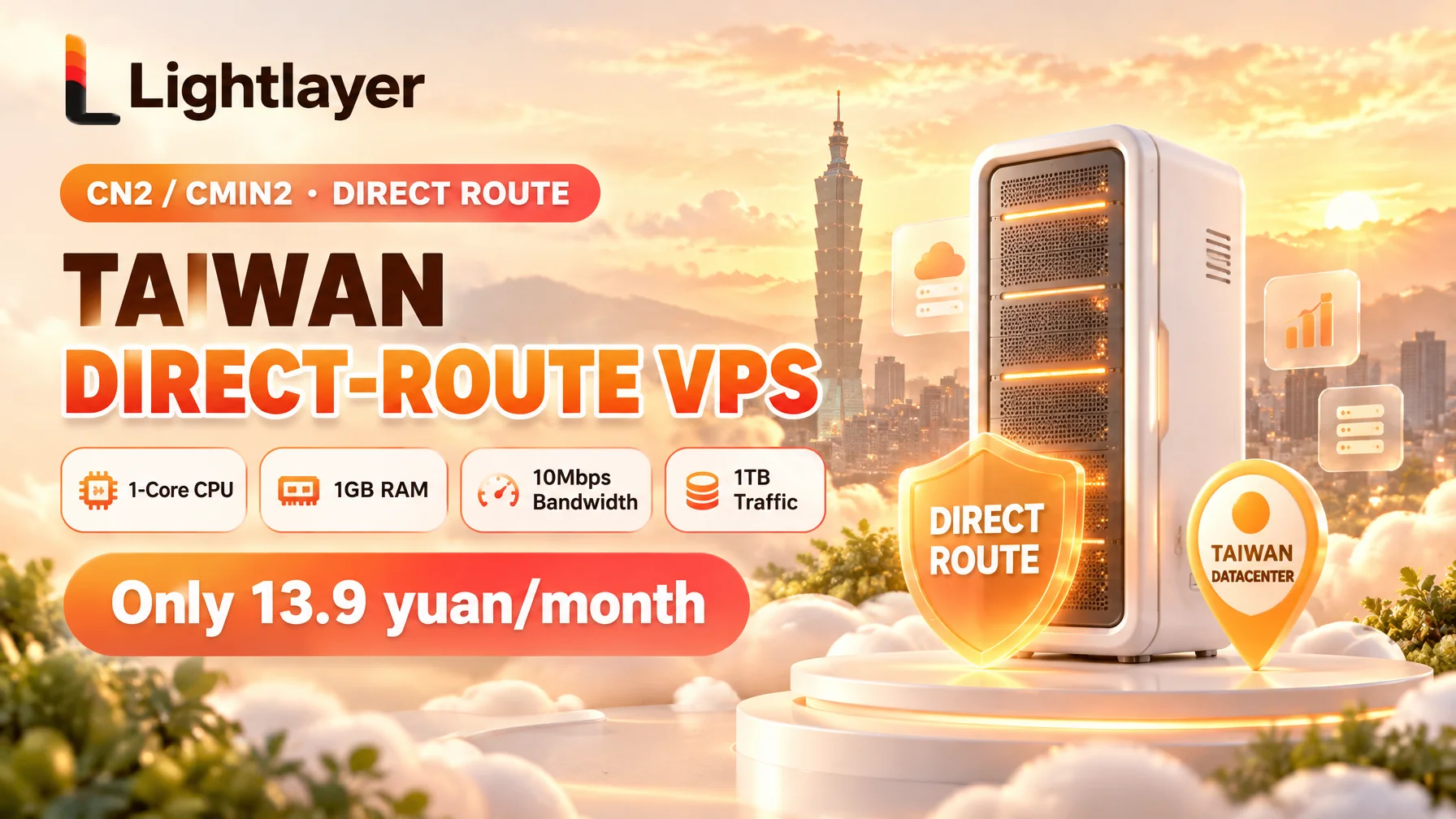
Lightlayer Taiwan VPS Review: 1 Core, 1GB RAM, 10Mbps for Only 13.9 CNY/month, Direct Routing on All Three Chinese Carriers
This review assesses Lightlayer’s Taiwan KVM cloud server with 1 core, 1GB RAM, 50GB storage, 1TB traffic and 10Mbps bandwidth at $24.99/year. Tests on an Intel Xeon E5-2630 v4 show modest single-core performance, about 9.71Mbps download and 12.22Mbps upload from mainland China, and 71ms average latency, with CN2/CTG, CUG/AS10099 and CMIN2 routing. The IP is not native Taiwan; streaming and IP-quality results are mixed. It suits budget lightweight projects needing China-optimized routes.
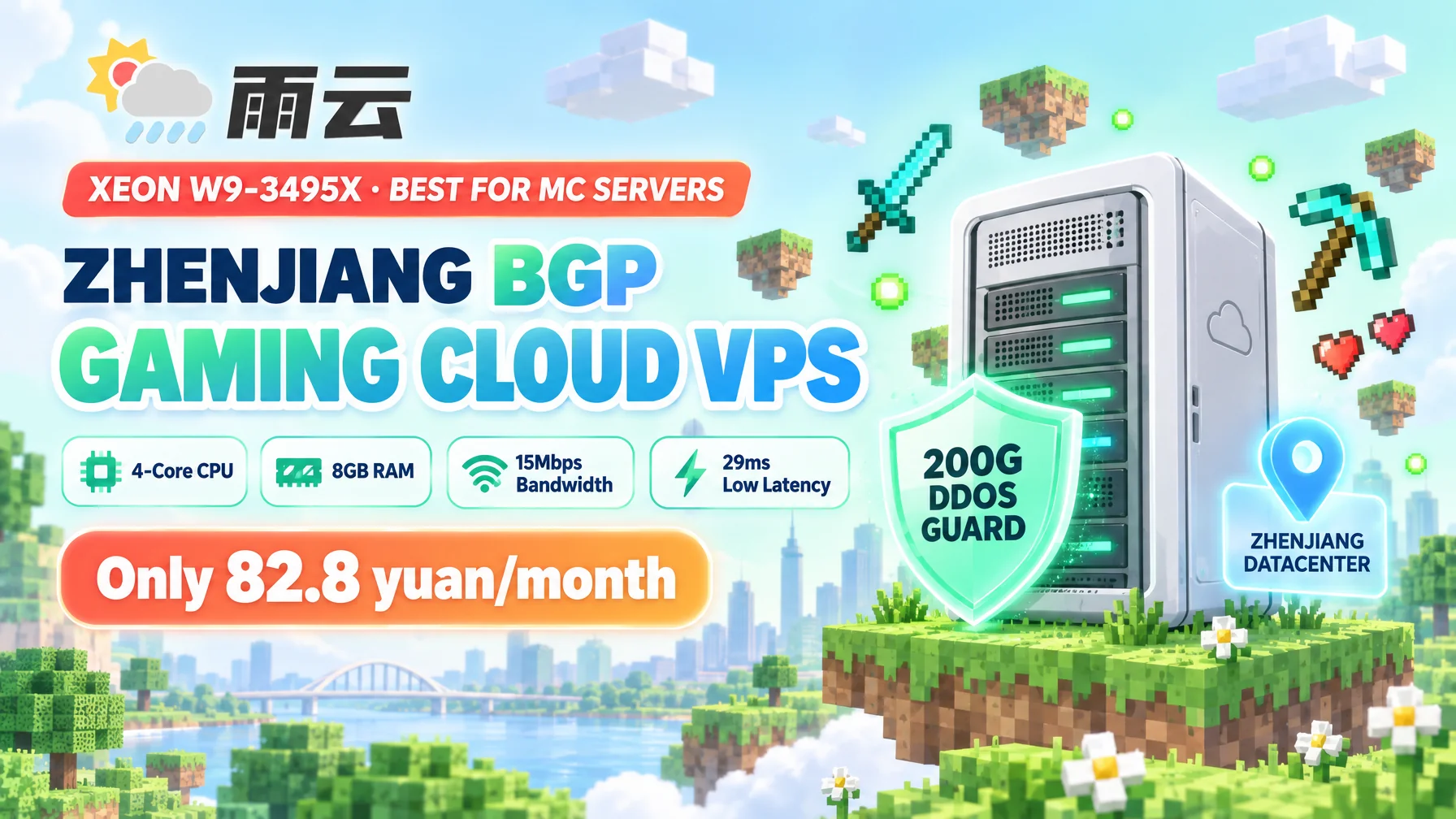
RainYun W9-3495X Zhenjiang BGP High-Defense Game Cloud VPS, 4 Cores 8GB RAM 15Mbps for Only 82.8 CNY/month — the Best Choice for Minecraft Server Hosting!
RainYun's Jiangsu Zhenjiang BGP game cloud VPS uses an Intel Xeon W9-3495X, offering strong single-core performance for game servers. The tested NAT plan has 4 cores, 8GB RAM, 30GB+20GB storage, 15Mbps upload, 200Mbps download, 200Gbps shared DDoS protection, and up to 15 port mappings. It costs 148 CNY/month; with stacked discounts, annual payment is about 82.88 CNY/month. Benchmarks: Geekbench 6 1599/5023, average three-carrier latency 29ms.

Got My New Car! XPeng L03
After a two-month wait, the author received an XPeng L03 1330 Ultra SE EREV, ordered July 24, allocated September 21, arrived at the dealership September 27, and picked up September 29. Initial impressions: pleasant driving, decent ADAS that still frequently requires takeover, excelling in stop-and-go traffic. The front-passenger zero-gravity seat is good but unavailable for the driver; trunk space is average. Center-armrest Type-C supports PD3.0 60W, PPS 63W, QC4; rear Type-C adds QC2/3, QC4+, QC5, FCP, and iP 2.4A.

RainYun 14900K Zhenjiang BGP High-Defense Game Cloud VPS, 4 Cores 8GB RAM 15Mbps for Only 123 CNY/month — the Best Choice for Minecraft Server Hosting!
RainYun's Jiangsu Zhenjiang BGP game cloud VPS uses an Intel i9-14900K, whose strong single-core performance suits Minecraft servers. The reviewed NAT plan offers 4 cores, 8GB RAM, 30GB+20GB storage, unlimited traffic, 15Mbps upload/200Mbps download, shared 200Gbps DDoS protection, and up to 15 port mappings, discounted to 123.2 CNY/month after stacked coupons. Tests recorded Sysbench single-thread 4871.7, multi-thread 19320.24, 188.86Mbps download, and 29ms average three-carrier latency. RainYun provides 7-day refunds and 1 CNY one-day trials.
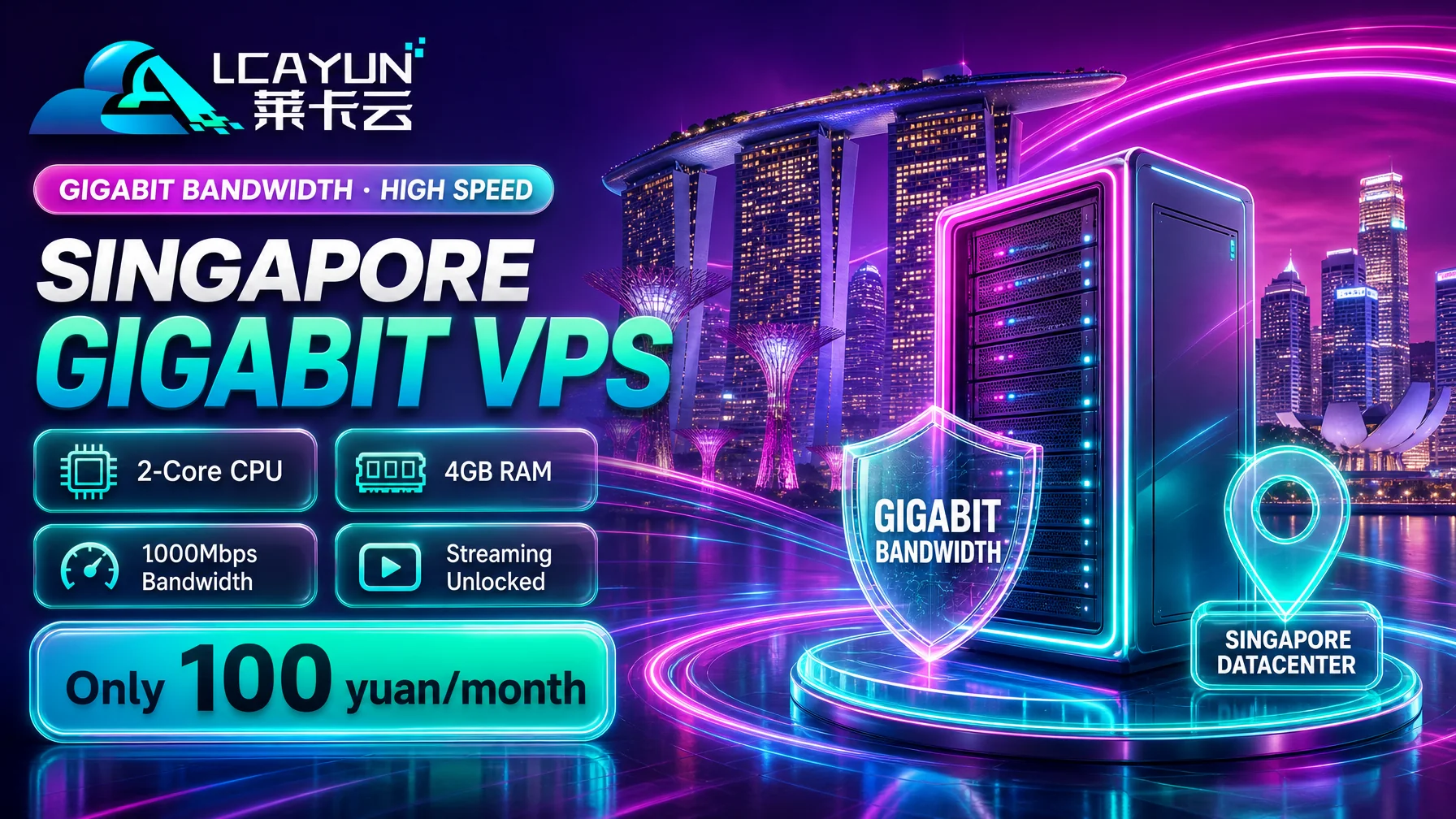
LCAYUN Singapore VPS Review: 2 Cores, 4GB RAM, 1000Mbps for Only 100 CNY/month
LCAYUN Singapore cloud server: 2 cores / 4GB RAM with 1000Mbps bandwidth for 100 CNY/month; 4 cores / 8GB RAM with 1000Mbps for only 152 CNY/month. About LCAYUN...
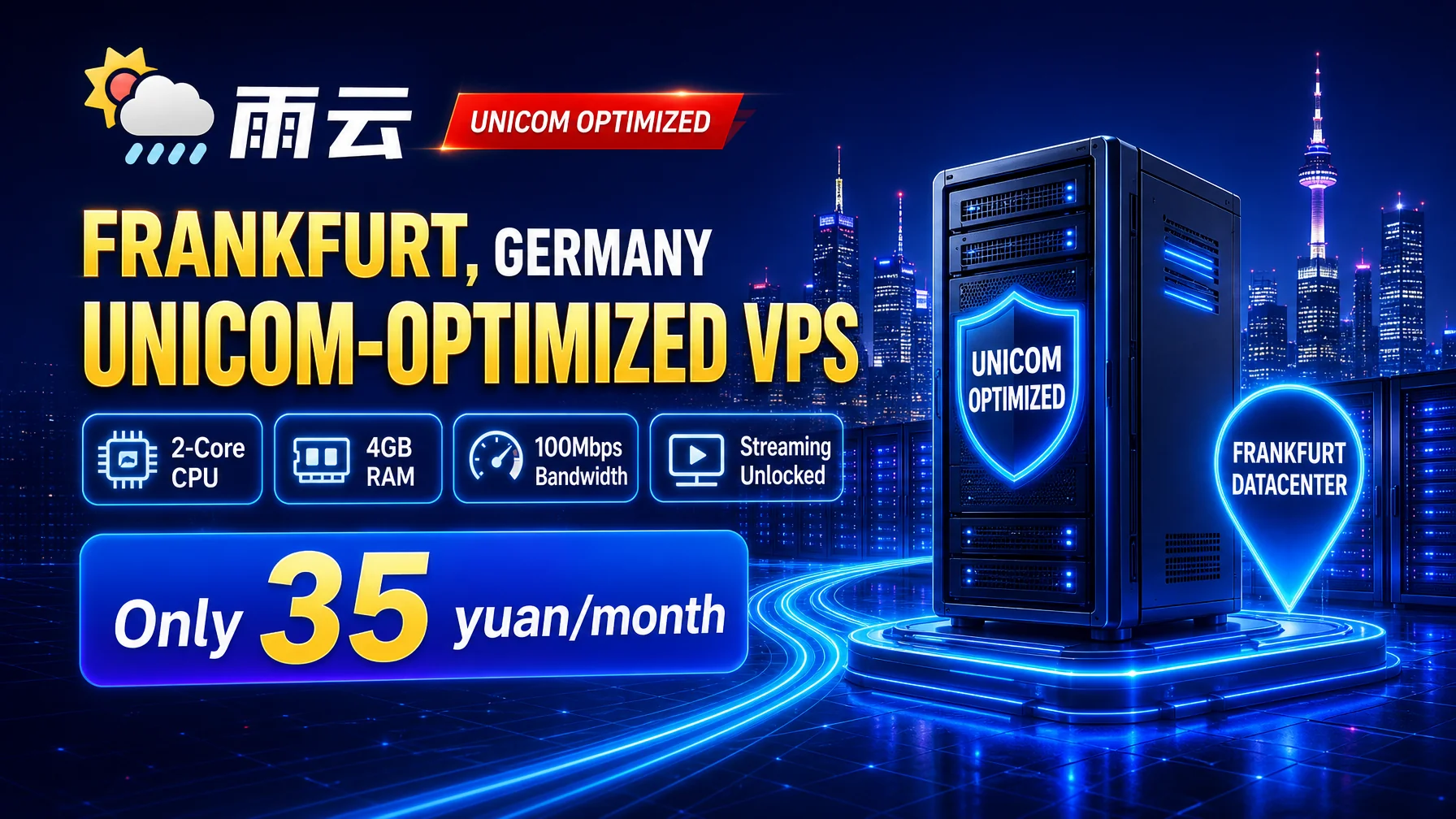
RainYun Frankfurt, Germany VPS Review: 2 Cores, 4GB RAM, 100Mbps for Only 35 yuan/month, China Unicom Optimized
RainYun's Germany Frankfurt Zone 1 cloud server is China Unicom-optimized, with metered 2-core/4GB/100Mbps from 35.28 yuan/month and 4-core/8GB/200Mbps from 85.68 yuan/month; unused traffic rolls over and throttles to 5Mbps after quota. An unmetered 2-core/4GB option has 25Mbps upload at the same price. The tested AMD EPYC 7452 2-core/4GB/30GB/200GB plan reached 96.8Mbps download, 71.6Mbps upload, 163ms average China latency, and returns via AS10099+AS9929. It unlocks German streaming/AI services but lacks DDoS protection and limits mail ports.
![[Open Source] Discourse Reply-to-View / Login-to-View Plugin (discourse-reply-to-view) — Unlock Hidden Content by Replying](https://img.zeruns.top/blog-en/2026/09/17/cover957_16x9-1789579792.webp)
[Open Source] Discourse Reply-to-View / Login-to-View Plugin (discourse-reply-to-view) — Unlock Hidden Content by Replying
Discourse lacks a native reply-to-unlock feature, so the author built discourse-reply-to-view, a plugin adding reply-visible, login-visible, and reply-count tags. Hidden content is stored as fingerprinted placeholders and injected server-side after permissions are met, sealing leaks through search, email, RSS, exports, revisions, and translations. It supports trust-level exemptions, editor buttons, author previews, auto-unlock, and 49 languages. Installation requires a Docker rebuild; it is tested on Discourse 3.4+ with 79 RSpec cases.
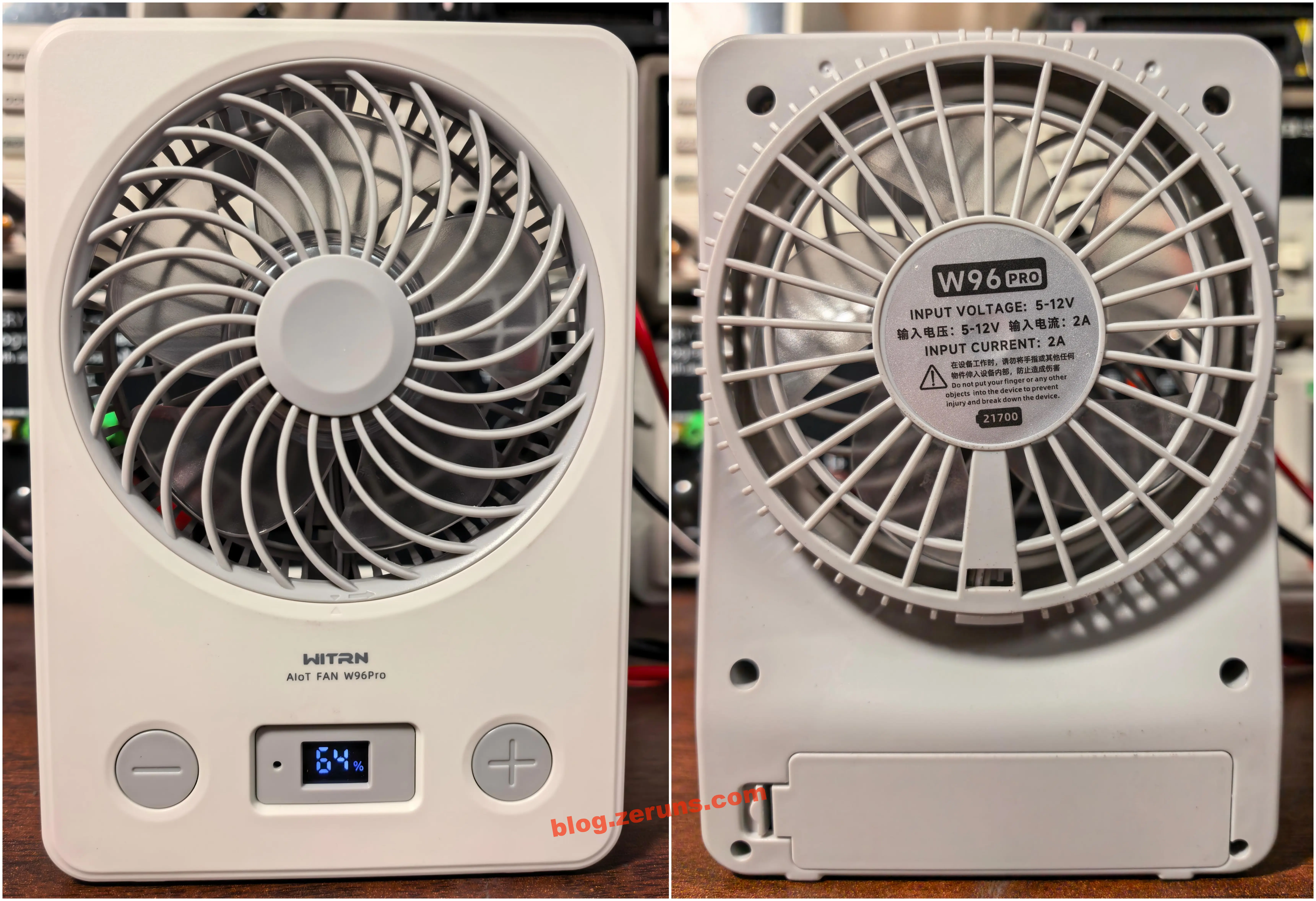
WITRN W96Pro Portable Fan Review and Teardown Analysis
The teardown and review of the WITRN W96Pro Bluetooth fan analyzes its circuitry, components, and performance. Key findings: high-quality parts with generous margins, 18W bidirectional USB-C fast charging, a 4800mAh 21700 cell, sinusoidal-drive BLDC motor, and a feature-rich companion app. Measured runtime is about 8 hours at 35% speed. A fast-charge output bug was resolved by switching the Type-C role to DRP in expert mode.
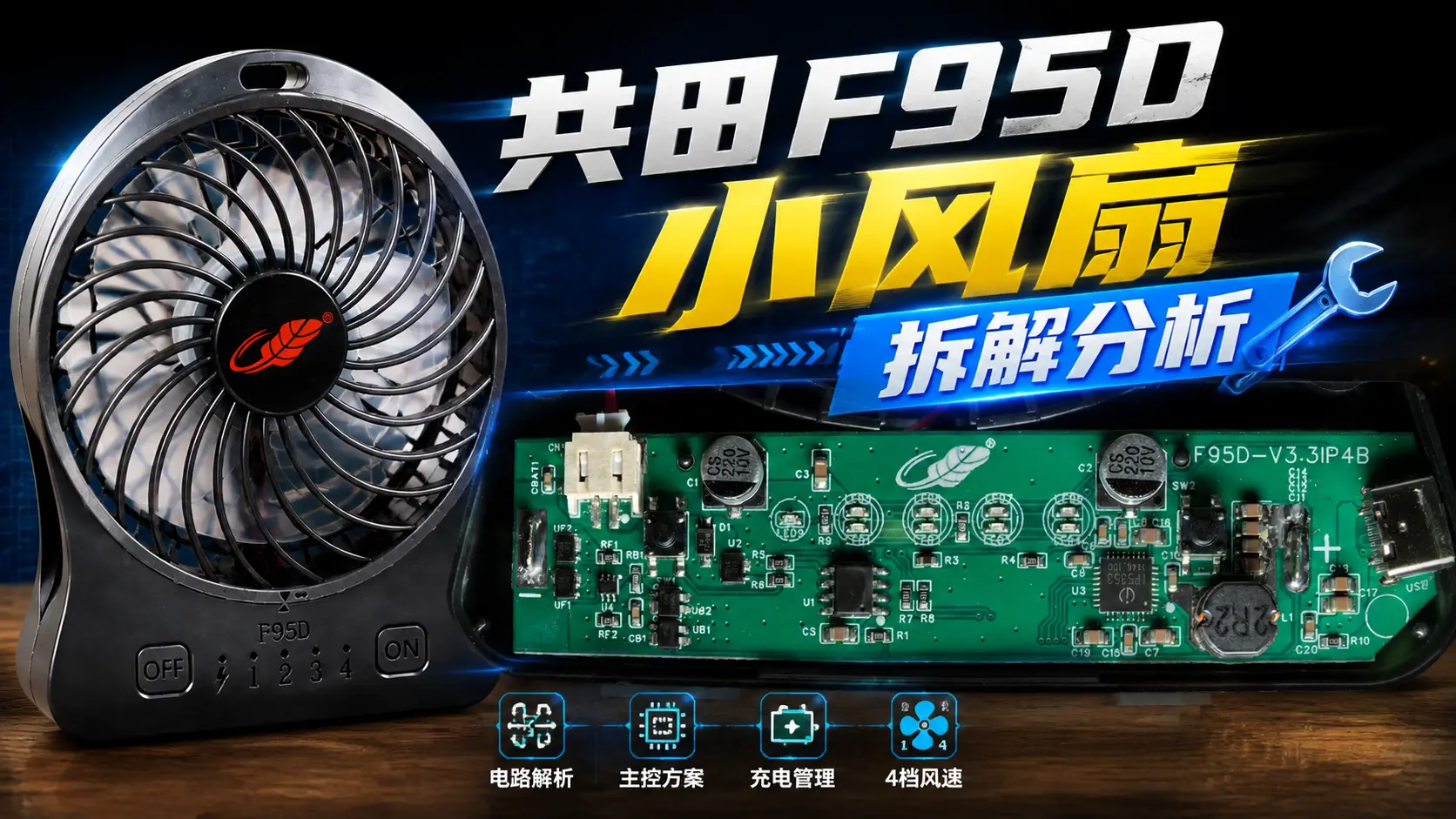
Gongtian F95D Mini Fan Teardown & Analysis — Circuit Analysis of a Portable Rechargeable Fan
A teardown and circuit analysis of the Gongtian F95D portable mini fan reveals a 4-speed design with 18W fast charging, a 5000mAh 21700 battery, and USB-C power-bank output. Core components include the IP5353 charge-management SoC, an MCU, MOSFET PWM speed control, and protection circuitry. Measured speeds range from 1565 to 4695 RPM with 19.9kHz PWM.

Build Your Own Minecraft 26.2 Server: A Step-by-Step Java Edition Hosting Guide for Beginners
This guide explains how to set up a vanilla Minecraft Java Edition server using Debian, MCSManager, and Docker on a cloud VPS. It covers purchasing a VPS, NAT port mapping, installing the MCSM panel and JDK, configuring and launching the server, and connecting from the client. Readers learn to manage a 24/7 server via a visual panel, control game modes, and play with friends.
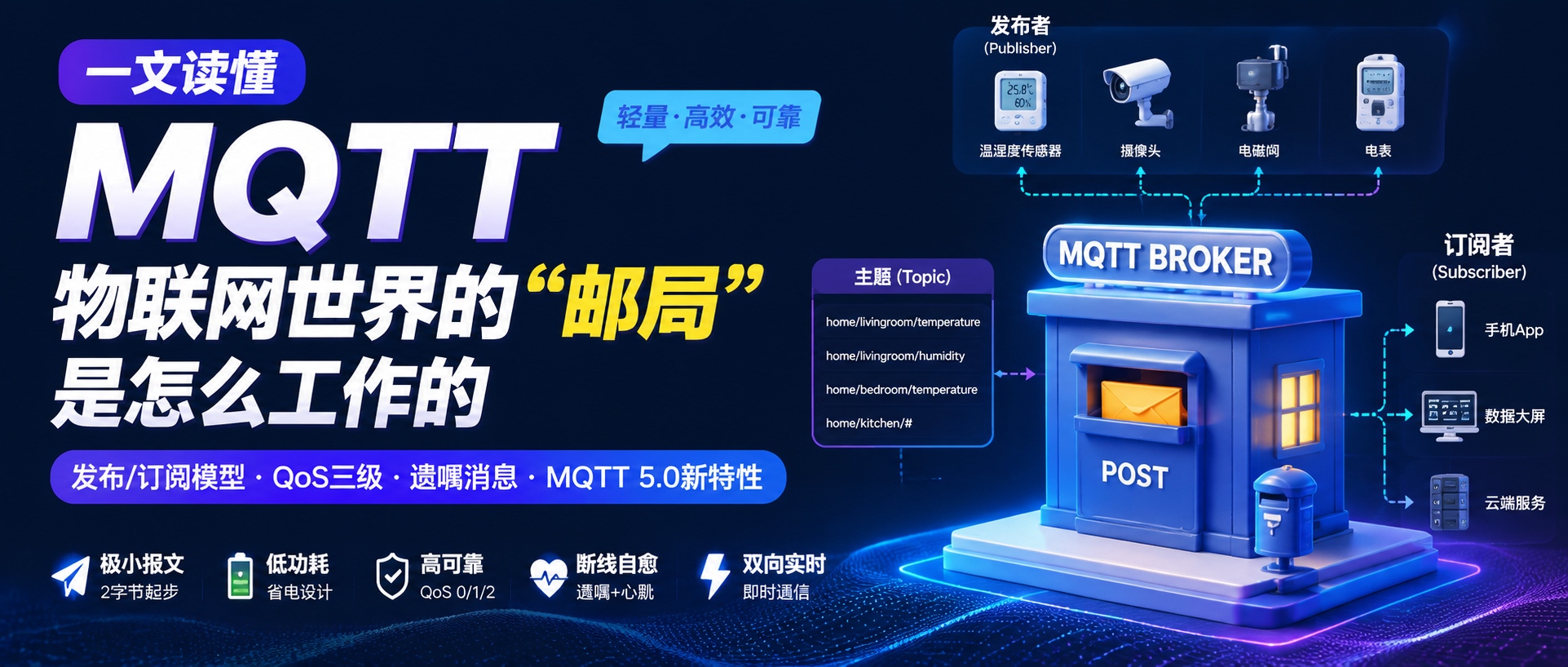
MQTT Demystified: Inside the "Post Office" of the IoT World
MQTT is the de facto IoT messaging protocol, designed in 1999 for low-bandwidth, unreliable networks like oil-pipeline monitoring. Unlike HTTP’s request/response model, it uses a lightweight publish/subscribe architecture where devices connect to a central broker, enabling efficient cloud-to-device push without public IPs. Key mechanisms include three QoS levels (at most once, at least once, exactly once), retained messages for late subscribers, Last Will for abnormal disconnects, keep-alive heartbeats, and clean sessions. MQTT 5.0 adds reason codes, shared subscriptions, message expiry, and topic aliases. Compared with HTTP, CoAP, and WebSocket, MQTT offers minimal overhead, flexible reliability, and strong suitability for massive device fleets, low-power sensors, smart homes, industrial IoT, and connected vehicles. The article also provides a runnable Python example using public brokers, helping readers implement their first MQTT publish/subscribe cycle quickly. Readers gain both conceptual understanding and practical starter knowledge.
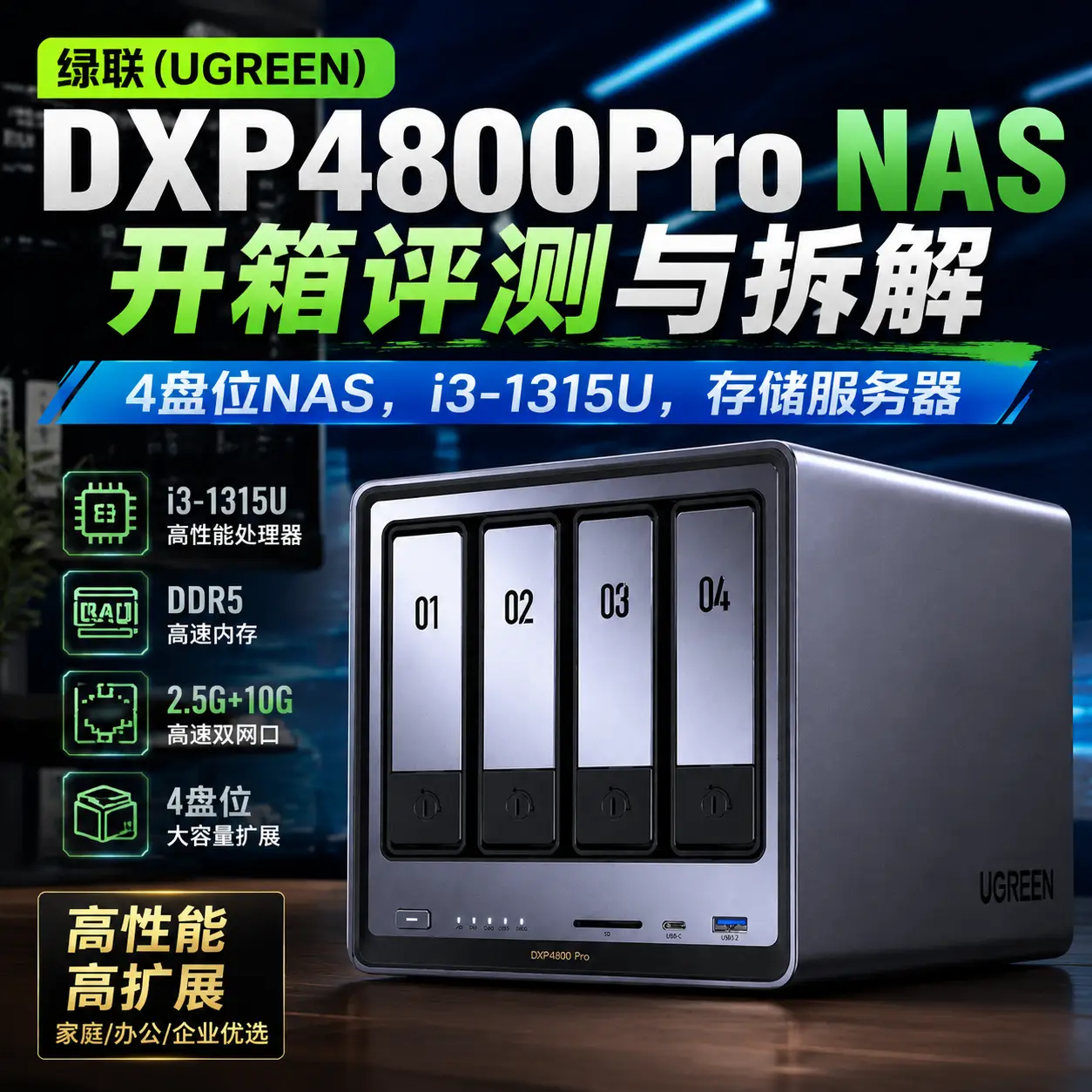
Ugreen DXP4800Pro NAS Unboxing, Review, and Teardown — 4-Bay NAS, i3-1315U, Storage Server
The article is a detailed unboxing, review, and teardown of the Ugreen DXP4800Pro 4-bay NAS, powered by an Intel i3-1315U. The author upgraded from a QNAP NAS, citing UGOS Pro's open, customizable Debian-based system and superior hardware value. Key specifications include dual network ports (10GbE and 2.5GbE), HDMI 2.1, USB 3.2 Gen2, SD slot, two M.2 PCIe Gen4 slots, and dual DDR5 memory slots. The teardown reveals quality engineering: ASMedia SATA controllers, per-drive power switching, an IT8613E management controller, a substantial CPU power delivery system, an Intel I226-V 2.5GbE controller, and a dedicated 10GbE controller with heatsink. Performance testing showed 9.38Gbps LAN throughput and Unixbench scores of 1652 single-core and 8859 multi-core. The review highlights useful features: Docker support, AI-powered photo recognition, integrated media scraping, snapshots, and effective remote relay access. However, shortcomings are documented: immature virtual machines, inability to benchmark drives already in storage pools, limited cloud-drive integration, restrictive Baidu sync, missing VLAN support, and limited DDNS flexibility. The article provides practical insight for prospective NAS buyers evaluating hardware quality, software maturity, and upgradeability.
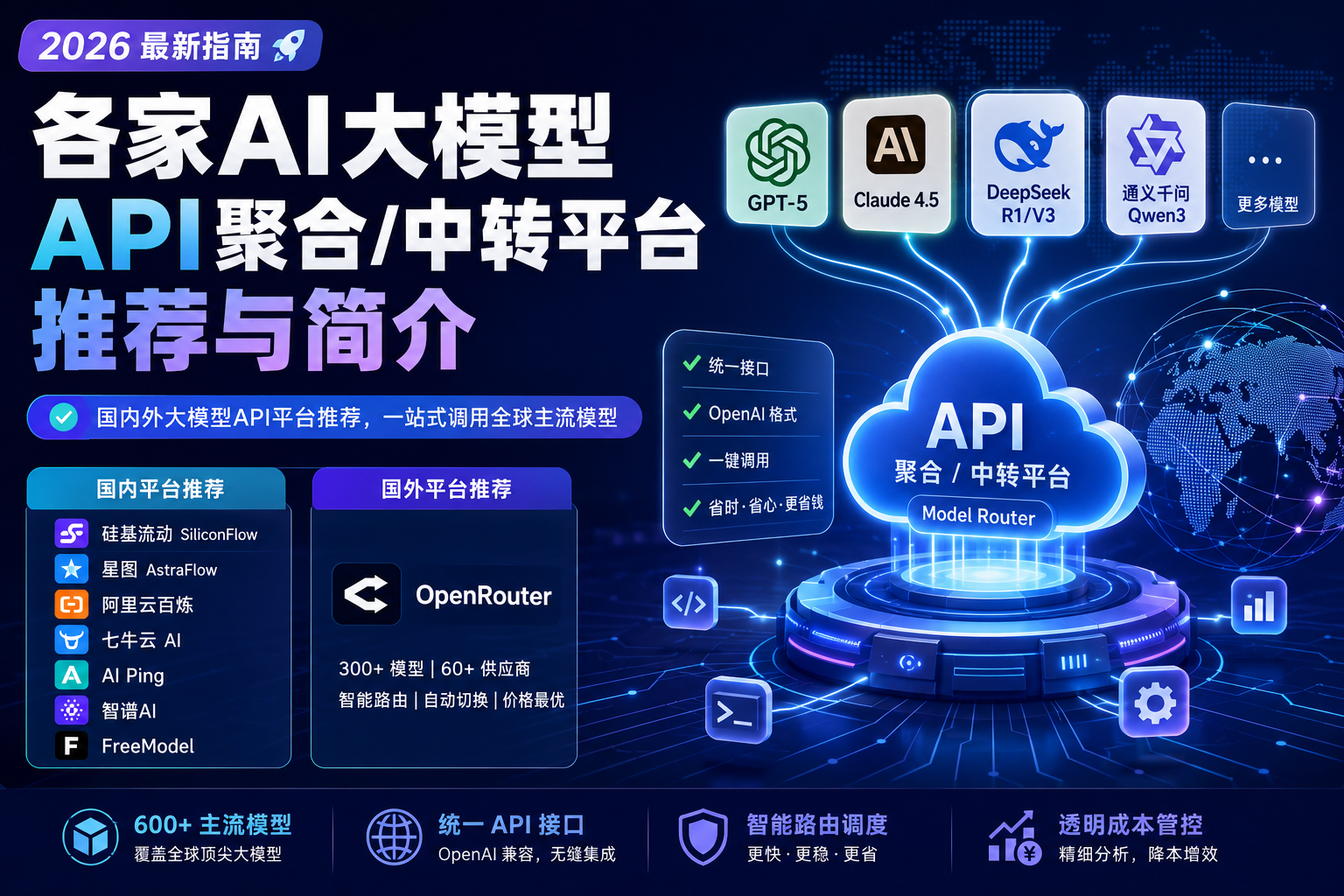
Recommendations and Introductions to Various AI LLM API Platforms, Updated June 9, 2026
This article surveys 2026 LLM API aggregation and routing platforms, addressing the pain point of managing multiple provider keys. It reviews eight Chinese platforms—SiliconFlow, AstraFlow, Alibaba Cloud Bailian, Qiniu Cloud, AI Ping, Zhipu AI, FreeModel, and Tencent Cloud TokenHub—plus global leader OpenRouter. These services expose OpenAI-compatible endpoints to access hundreds of models, with features like intelligent routing, failover, enterprise isolation, and free trial tokens. Benefits include lower development costs, simpler billing, and rapid switching between open/closed models. Caution: FreeModel is a small platform; large top-ups are discouraged.

Wuhan-Qingdao Travel Log & Photo Sharing
This travel log documents a six-day Wuhan–Qingdao trip taken with friends in May 2026, using four vacation days plus a weekend. The author shares photos and practical itinerary details: in Wuhan, they visited Jianghan Road Walking Street, Lihuangpi Road, the Yellow Crane Tower (outside only), the Wuhan Yangtze River Bridge, Chu River and Han Street, Hubei Provincial Museum, and Optics Valley Square. In Qingdao, highlights included a foggy ferry ride, Taidong Night Market (noted as the only lively nightlife area), the Catholic Church, Zhanqiao Pier, Signal Hill, a Miyazaki-themed street, May Fourth Square's light show, and the Tsingtao Brewery Museum. The post notes most Qingdao days were foggy or rainy, limiting views, and that images were compressed to WebP and shot on a Huawei Mate 70 Pro+. It serves as a route reference and photo album for self-guided city travel.

Hong Kong Travel Log and Photo Sharing
A two-day Hong Kong trip from Shenzhen is detailed, highlighting practical travel tips. High-speed rail takes 18 minutes to West Kowloon, with quick customs. Key experiences include the Star Ferry, Ding Ding trams, and Peak Tram to Victoria Peak for panoramic city and night views. The author notes that Alipay/WeChat Pay are widely accepted, and McDonald's offers cheap eats, while cha chaan teng dinners can cost over 200 RMB for two. Day two covers Tsim Sha Tsui, Sham Shui Po’s electronics market, and Mong Kok, with a disappointing pre-cooked meal. The abstract offers a cost-conscious itinerary and payment guidance for visitors.